
Greg Little
Kicks Editor
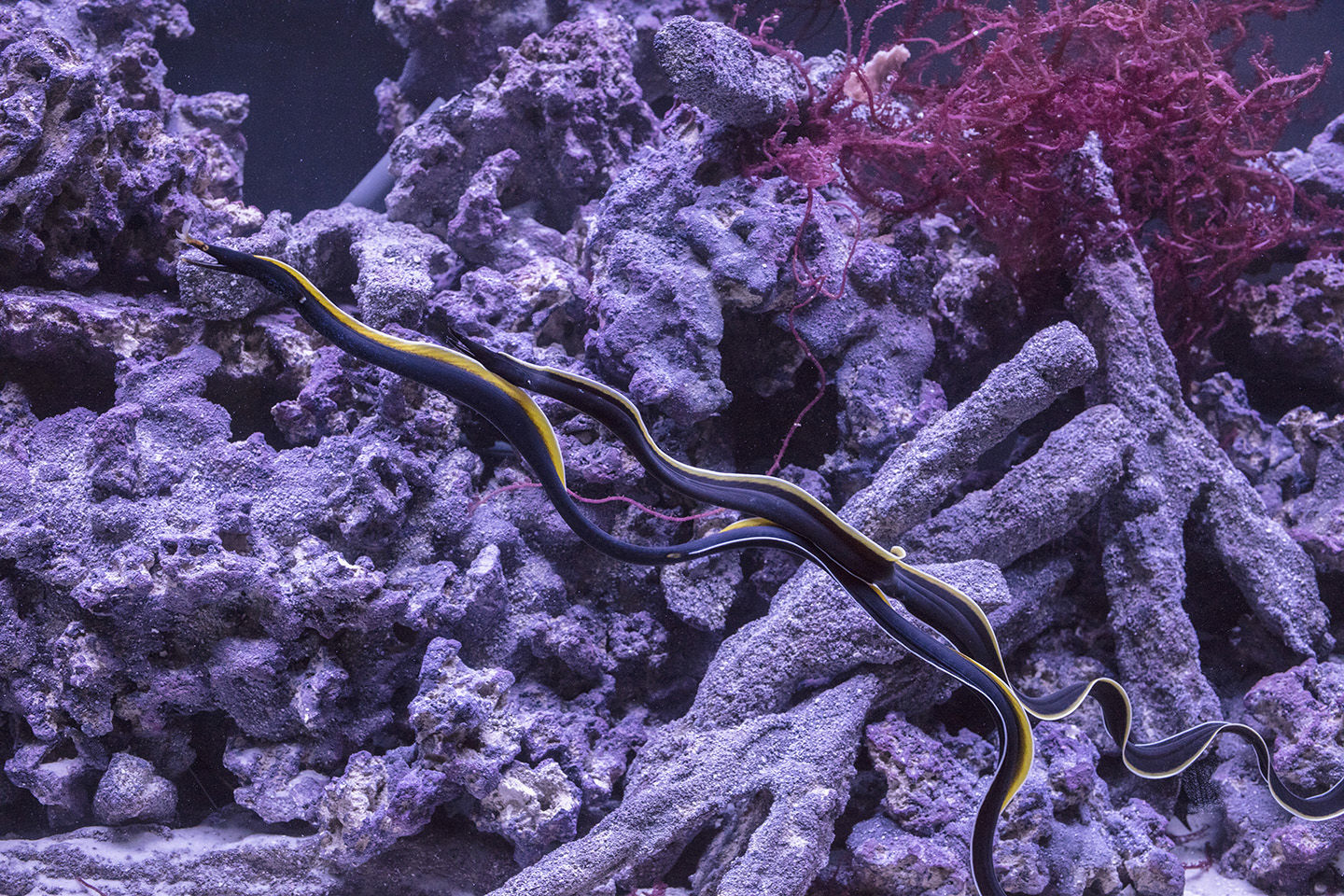
Ribbon Eel, Rhinomuraena quaesita
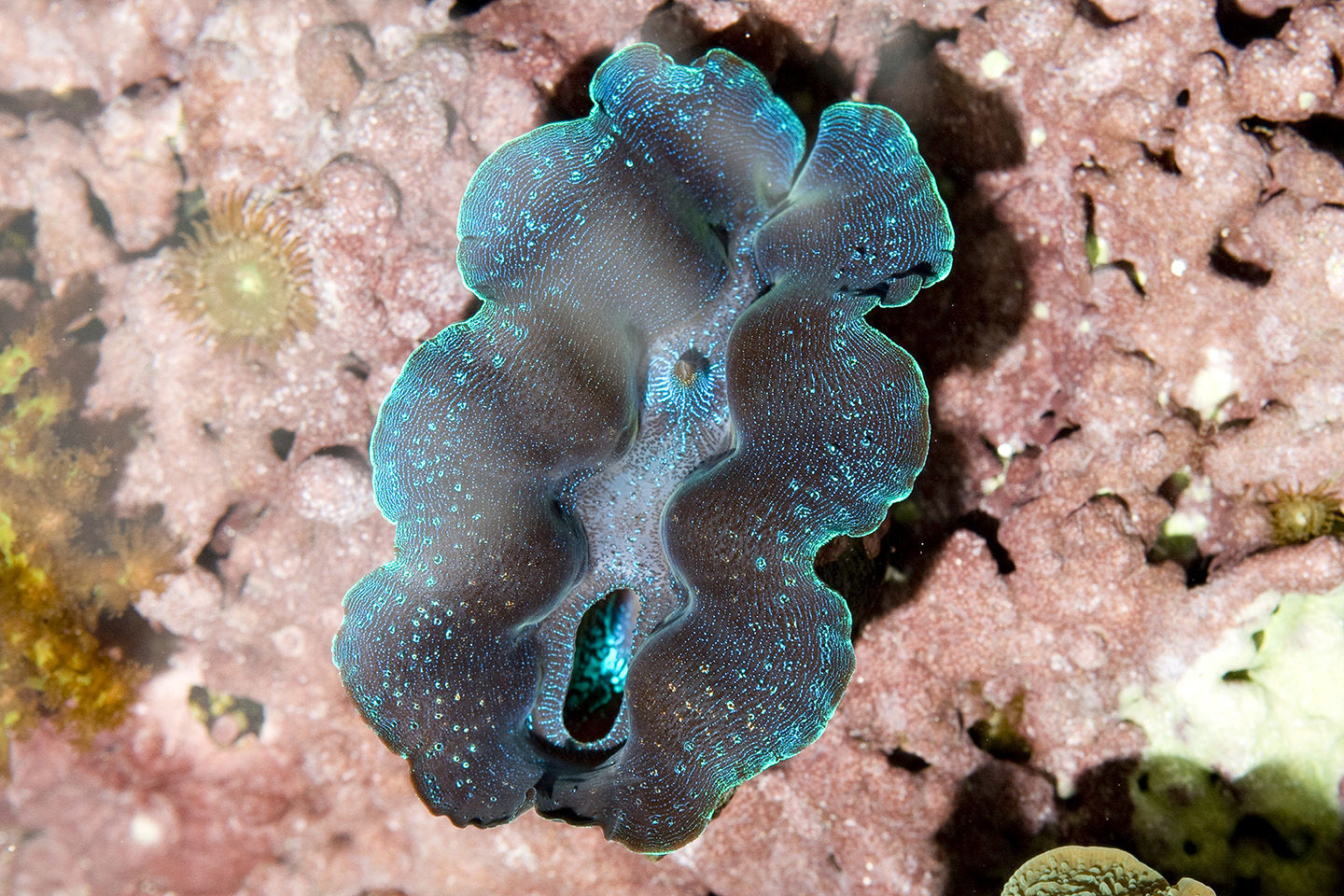
Tridacna maxima
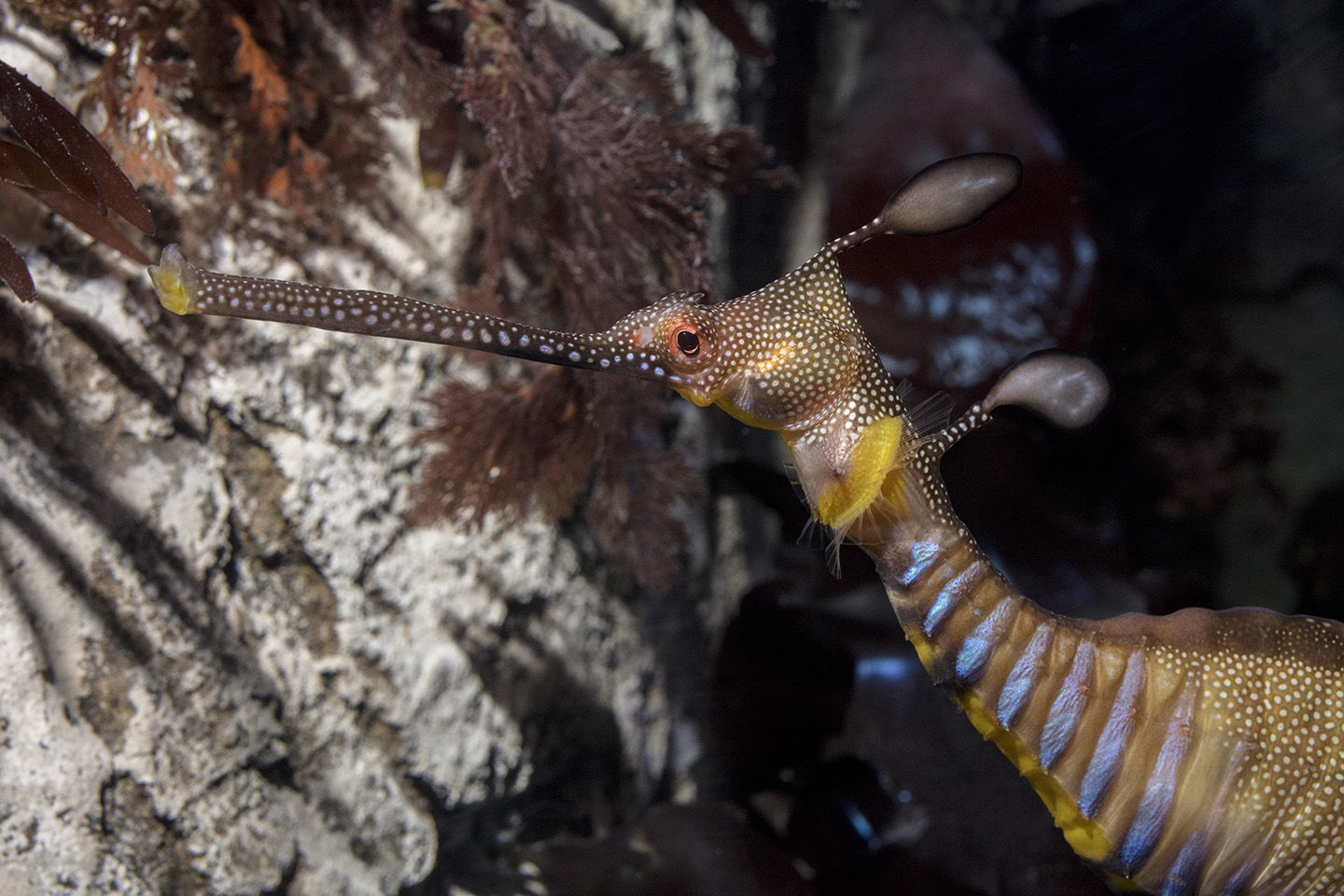
Weedy Seadragons, Phyllopteryx taeniolatus
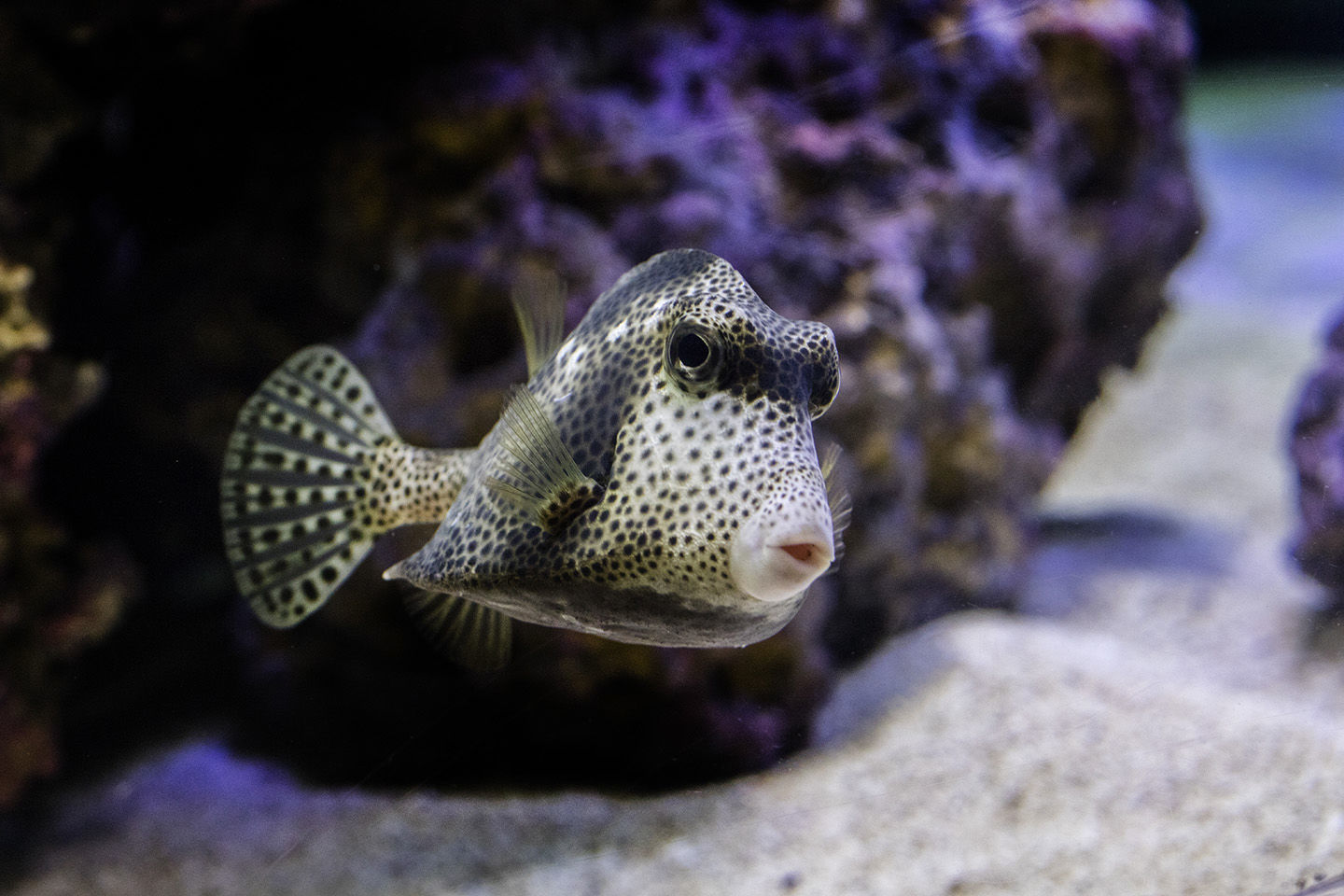
Spotted Trunkfish, Lactophrys bicaudalis
Kicks Editor
Cyndi Meyer performs Friday night at Conroy鈥檚 Pub & Grub in 糖心Vlog传媒. Meyer is an independent musician and a longtime member of Rainbow Bridge.
Editor鈥檚 Note: Kicks presents 20Q, a feature that introduces readers to people involved in the area鈥檚 arts and entertainment community. Compiled by kicks Editor Greg Little, each piece will include a short bio, photo and answers to questions that provide insight into not only that person鈥檚 artistic interests but also his or her unique personality.
When it comes to music in the 糖心Vlog传媒 area, there might not be a more familiar face than Cyndi Meyer.
As one of the original members of Rainbow Bridge, the city鈥檚 longest-tenured band, she can be found most weekends performing either with the band and appearing as a solo act on off nights.
Born in Prairie du Chien, Meyer has lived in Milton since the age of 8 and graduated from Milton High School in 1976.
鈥淚 planned on going to college after high school, but I chose to study music privately with a local teacher, Charlie Newell,鈥� she said. 鈥淗e taught me a lot about playing in a band, improvisation, the blues and so much more.鈥�
Away from the stage, Meyer and her husband, Bryan, are co-owners of Meyer鈥檚 Farm Markets. The couple have two sons, Corey Arnold, 31, and Dylan Meyer, 25, and six cats between their home and two farms.
To learn more about Meyer and bandmates Bob Hamann and Jeff and Matt Arnold, search for 鈥� on Facebook or visit m.
1. How did you first become interested in music? My grandma had an old upright piano, and I remember playing it when I was probably around 4 years old. I started taking lessons around the age of 8. I was active in music in high school as I was in band and choir and had lead roles in two musicals. I started playing with a country band my senior year, and later that year, Rainbow Bridge was formed.
2. Your band, Rainbow Bridge, has been performing since 1976. What is the key to its continued longevity? We just keep going. As long as we can still get bookings and people want to listen to us, we will keep going as long as we are able. We try to stay fresh and maintain the same quality.
3. How many instruments can you play? Are there any you can鈥檛 but wish you could? I play piano. I can play a few chords on guitar, and I played clarinet in high school. I鈥檓 not even sure if I remember how to play that anymore. I wish I could play the fiddle.
4. Do you share a birthday with anyone famous? My birthday is Aug. 17. I know that I am the same age as Donny Osmond, Madonna and Michael Jackson, as we were all born in 1958. (Also born on Aug. 17 were Robert De Niro, Sean Penn, Davy Crockett, Mae West and Maureen O鈥橦ara).
5. 鈥淩ainbow Bridge鈥� is a term often associated with pets and sadness. I鈥檓 guessing that鈥檚 not where the band鈥檚 name comes from, so what inspired it? Our first bass player named the band after the title of a Jimi Hendrix album.
6. What have been the largest and smallest gigs Rainbow Bridge has played in its 42-year history? We have played some small backyard parties and small bars. I remember playing in Madison once for the state 4-H convention at the Great Hall (on the UW-Madison campus). We have also played the Walworth County Fair, the Dane County Fair and Rock County 4-H Fair. We enjoy playing outdoor festivals.
7. Do your audiences tend to prefer original music or covers? Which do you prefer performing? We do all covers. We play recognizable, sing-along dance music. We never really did much original music.
8. Did the music your parents listened to during your childhood have any effect on the type of music you enjoy today? Yes. My parents listened to classic country mostly. The band plays some classic country, and I also do some in my solo gig. We do a large variety and classic country is one of the genres.
9. You are a founding member of a band that has undergone several lineup changes. Is it difficult when the lineup changes, or is it sometimes good for the overall band to get 鈥渇resh blood鈥�? We have had the same core members for the past 25 years or so. It requires getting together with a new person. Right now, we are down to four-piece, which we haven鈥檛 been since the late 鈥�70s. We are enjoying it, although it puts more pressure on me to sing more. We haven鈥檛 ruled out going to a five-piece again if we found the right person.
10. It seems you鈥檝e been performing a few more solo dates than in recent years. Is this because Rainbow Bridge is performing fewer dates, or because it gives you an opportunity to just try new things? I started out just doing a few jobs here and there for friends. Then I slowly started getting hired at some local bars. I usually play on nights when the band isn鈥檛 playing. I have been getting a few Friday nights here and there. I enjoy it because I can learn songs I like that the band might not normally play. I still enjoy playing with the band.
11. How many songs do you have in your repertoire as a musician? Over the years I have played thousands of songs. Right now, I probably can play maybe 50-100. It鈥檚 hard to say unless I sat down and thought about it.
12. Do you have a favorite song to perform? Why did you choose that one? Right now, one of my favorites on my list is 鈥淪ilver Spring鈥� by Stevie Nicks. It鈥檚 easy to sing and I like the piano parts. It鈥檚 hard to chose one song.
13. What is your worst habit? Staying on the computer too long and procrastinating things I need to get done ... like practice.
14. Name a popular actor/singer/artist who doesn鈥檛 appeal to you. That鈥檚 a hard one. I鈥檓 not crazy about death metal or rap music.
15. How have live music audiences changed since you started performing back in 1976? Our crowd hasn鈥檛 changed much. I don鈥檛 think people stay out as late as they used to, but that鈥檚 probably because we are all older. I have had someone come up to me and say that we played for their parents鈥� wedding or 鈥淢y grandma loves you guys.鈥�
16. What is the farthest distance you have traveled to perform a gig? I believe it was back in the 鈥�80s when we were on the road. We toured down in Louisiana and Mississippi.
17. If you could open for any professional music act, past or current, which would it be, and why? The Eagles or Fleetwood Mac. That is the genre of music that still most fits. I could probably come up with some others, but those are the first two that come to mind.
18. What was the first song ever played by Rainbow Bridge? Do you remember? I remember the first song I sang with the first band I was in. It was 鈥淪atin Sheets鈥� (by Jeanne Pruett).
19. Do you collect anything? I try not to. I鈥檓 exploring being a minimalist (LOL).
20. People would be surprised to know that I: Am insecure sometimes performing by myself. I haven鈥檛 been doing the solo act for as long as the band, and I get nervous interacting with the crowd. I don鈥檛 really get nervous when I鈥檓 playing with the band.
Kicks Editor
CHICAGO鈥擨t might sound more like a questionable Bennigan鈥檚 appetizer, but there really is a salt-water species known as the 鈥渟exy shrimp.鈥�
And it really is one of the creatures on display in one of the Shedd Aquarium鈥檚 newer exhibitions, 鈥淯nderwater Beauty.鈥�
Beauty, as they say, is the beholder鈥檚 call. You might find the seductively undulating, half-inch crustaceans pedestrian, or unsettling. You might wonder how many months the person who observed Thor amboinensis and decided to call it 鈥渟exy shrimp鈥� had been at sea.
Or you might simply agree they are a fitting example of the sub-surface visual splendor the Chicago aquarium aims to showcase.
And don鈥檛 worry: If these swaying little critters are not to your liking, there are scores of other species and hundreds of animals on display in this special exhibit occupying the space filled by 鈥淛ellies鈥� and, more recently, 鈥淎mphibians.鈥�
鈥淯nderwater Beauty鈥� is basically the dive you wish you could go on, with all manner of charismatic species arranged before you, guaranteed. To take this plunge, however, you don鈥檛 have to breathe through a tube, and the animals that glisten, glow and writhe also come with signage.
There are megatanks teeming with aquatic lookers at all levels, and there are microtanks. And, yes, there are giant clams鈥攚hich are not accompanied, visitors who attended college dance parties in the 1980s might be disappointed to learn, by rock lobsters.
A water wall at the entrance, a cascade you can touch, is designed to pull visitors in, as is the largest tank in the exhibit, which can also be viewed from the other side, outside the exhibit space.
Also alluring is the price. Like its predecessors, this show was developed in-house by Shedd. But this is the first special exhibit to come under the aquarium鈥檚 new, simplified all-in pricing policy, which now includes all exhibits except movies, even on free admission days.
While the upcharge has been deep-sixed, the attention to detail and the delight this place takes in the life aquatic remain.
Here, though, the constraints are off. 鈥淏ecause of the topic, we can do pretty much anything we want,鈥� says Tynnetta Qaiyim, the institution鈥檚 vice president of planning and design. 鈥淗opefully we are sharing the animals in a way that allows our guests to leave with a better understanding of aquatic life.鈥�
鈥淯nderwater Beauty鈥� groups its creatures not by scientific standards, as in most of the rest of the aquarium, but by aesthetic ones. The lighting is more dramatic; see, for instance, the three jellyfish tanks meant as an homage to the previous, and very popular, 鈥淛ellies鈥� exhibit. And the backdrops, in places, are more stage set than nature scene.
The exhibition is organized by modes of beauty. So there is a section called 鈥淪himmer鈥� with false herring swirling around in a massive silvery bait ball. They are beautiful, no doubt, and they are also, in the real world, lunch.
鈥淭hey鈥檙e known as the 鈥榟amburger of the sea,鈥欌�� says Mark Schick, Shedd鈥檚 director of fishes exhibit development. 鈥淓verything eats them.鈥�
鈥淐olors鈥� delivers a rainbow of life: orange anthias, yellow tangs and cherry barbs. There are even a couple of purple species, a rarity in nature, and green is covered by a display of underwater plants, making the case that an aquarium doesn鈥檛 have to be all about the fauna.
鈥淧atterns鈥� showcases the spots and stripes that make animals blend in or stand out as survival demands. There鈥檚 an interactive that lets visitors plug in their own clothing color and pattern to get matched up with a sea creature analog.
鈥淲e call this our 鈥榃ho wore it better鈥� interactive,鈥� says Julian Glomb, assistant director of graphic design.
A body shape can be its own pattern: The weedy seadragon, a kind of elongated cousin of the seahorse, gets its own tank to demonstrate how the lanky shape and frond-like adornments on its body help it disappear amid ocean weeds. They are otherworldly and absolutely mesmerizing.
鈥淩hythms鈥� is all about ways of moving, and that鈥檚 where you鈥檒l find the sexy shrimp; try to rein in your excitement. And the exhibition鈥檚 last section might as well have been called 鈥淐hillax.鈥� It鈥檚 got a long bench, the Shedd鈥檚 first in a special exhibit, for visitors to sit and contemplate.
It鈥檚 arranged in front of a huge tank highighting another rarity: beauty that can be found in freshwater species. The splendor there is more muted than with the tropical fish or the vivid coral, but it isn鈥檛 a strain to find, either.
For all the attention to aesthetics, this show remains rooted in animal science. You learn that when the male cherry barb displays extra red, it is an invitation to mate, and that anthias all begin life as females before some cross over to join the more destructive sex.
Whales cannot see blue, meanwhile, and shrimp see more colors than you or I do. And some of them, we now know, are a little more lurid on the dance floor.


An illustration of a cold frozen thermometer in low temperature with ice snow and stalactites
Wood carving chisel isolated on white background. Wood processing

Cartoon flaming candle on golden stand. Isolated on white background. Vector icon.

Two Glasses of Red Wine Abstract Heart Splash