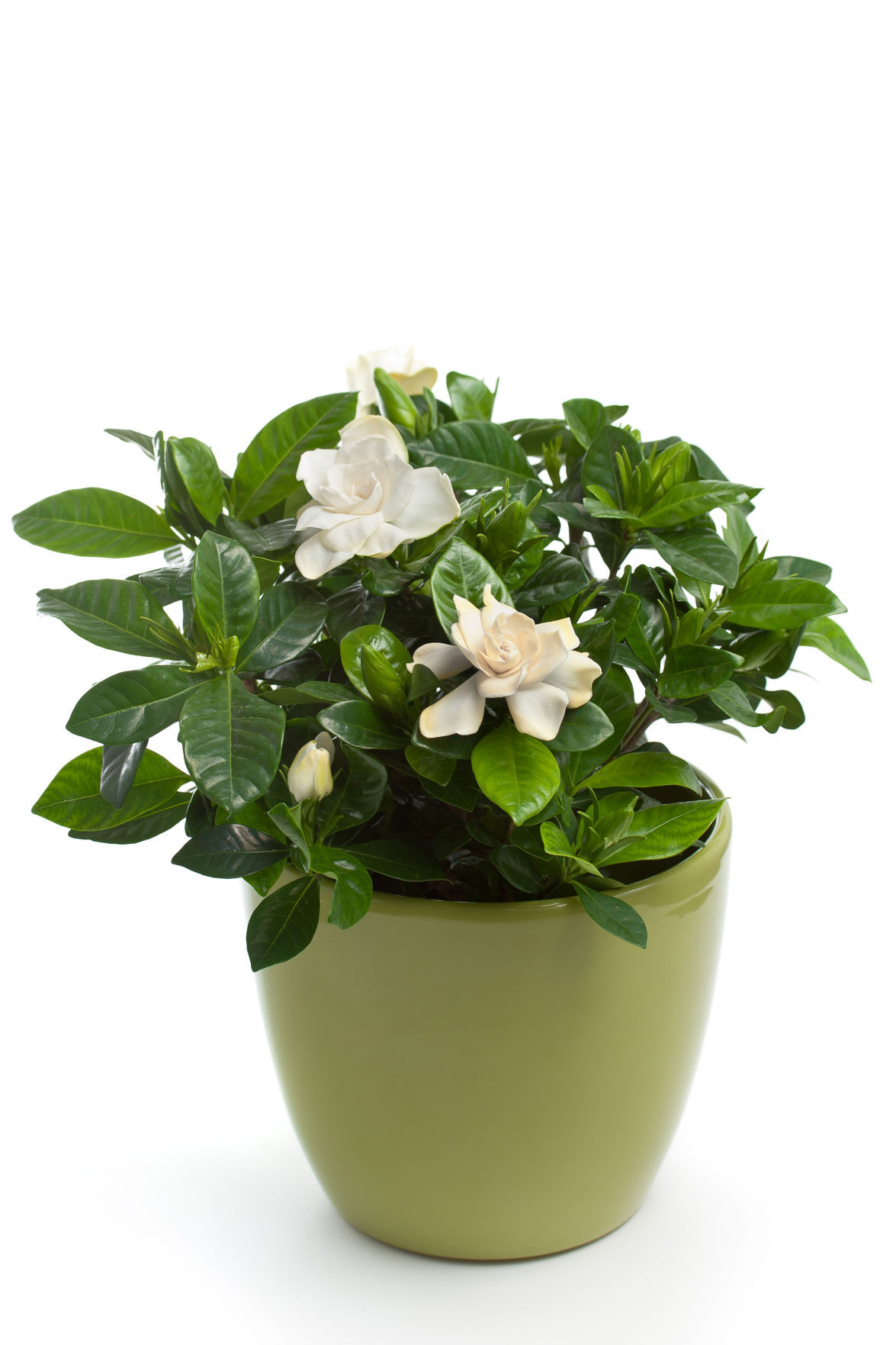
Gardenia (Gardenia jasminoides) in Flower Pot
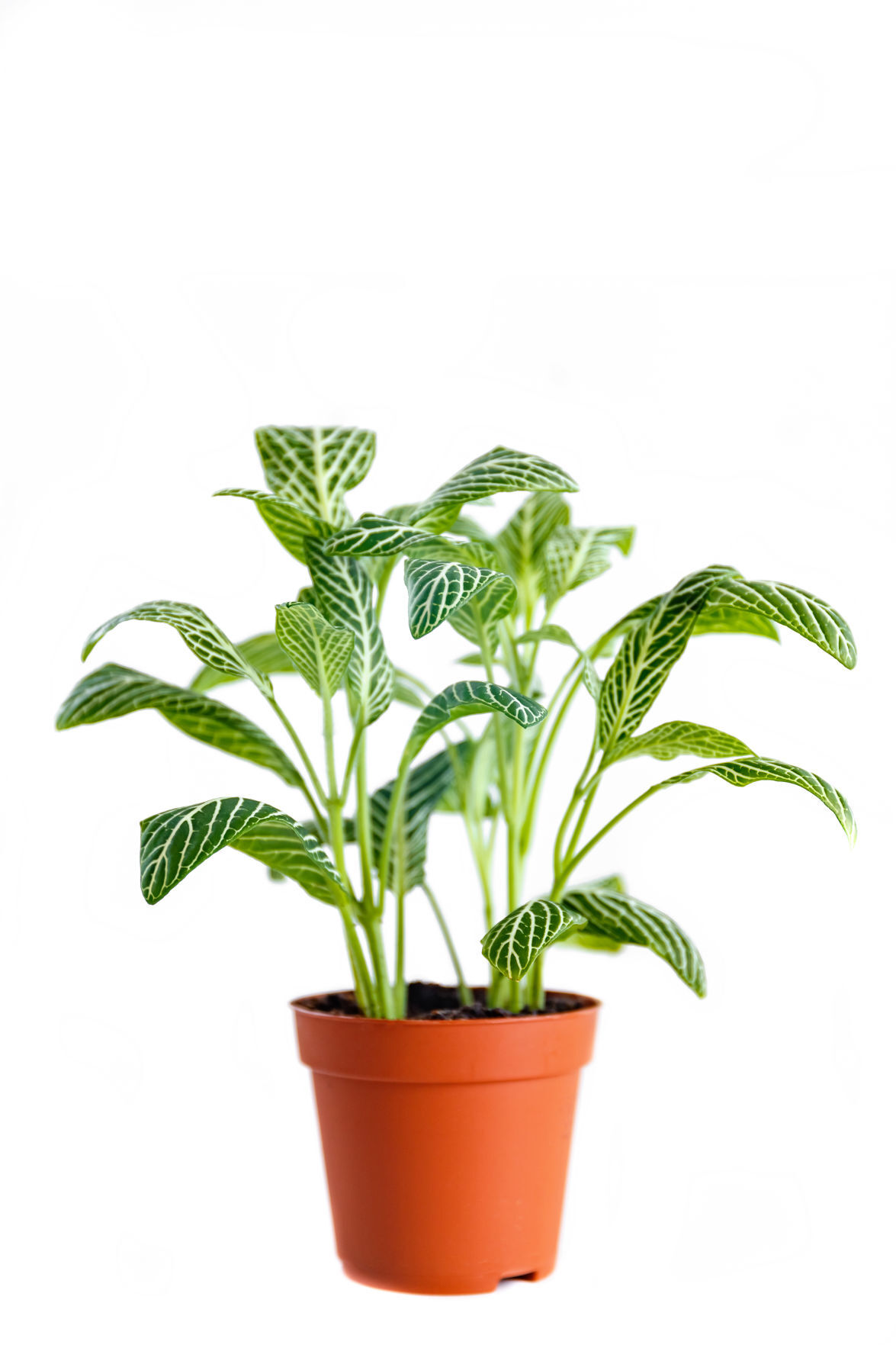
Boy with fittonia plant on white background. Home gardening and indoor plants.
In your eagerness to add warmth to your interiors during the quarantine gardening boom, don鈥檛 forget about one humidity-filled haven: the bathroom.
鈥淏athrooms are a fun category,鈥� said Annette Gutierrez of the Los Angeles plant store Potted. 鈥淚鈥檝e got a whole hoya thing happening in mine. I love how they hang. Hanging plants are great in the bathroom where counter space is at a premium, and since most houseplants are tropicals, they love the humidity.鈥�
Filled with moisture, bathrooms are an ideal environment for humidity-loving houseplants, but don鈥檛 substitute humidity for watering. 鈥淵ou still have to water your plants,鈥� Gutierrez added.
Bloomscape plant expert Joyce Mast finds the bathroom a fun place to experiment. (And what better time than during a long-running pandemic?) You can place them on a shelf, mount them on tile with adhesive-backed hooks or hang them from a tension rod. 鈥淒on鈥檛 be afraid to place plants in the shower,鈥� Mast said. 鈥淭hey will love the steam and moisture boost, and the gentle rain will clean their leaves of dust and debris.鈥�
Plants may do well in humidity, but remember they need light. Several months ago, I received an asparagus fern terrarium as a gift. But after two months in my bathroom, the fern turned yellow due to insufficient light. So take your plant鈥檚 light needs into consideration before placing it in the bathroom.
Here are 10 houseplants that should do well in the bathroom. Have a favorite bathroom plant or a success story of your own?
1. Fern: Many ferns, such as Kimberly queen fern, bird鈥檚 nest fern and blue star fern thrive in extra moisture and will grow beautifully in a bathroom habitat according to Mast. Although many ferns grow at the base of trees in their natural habitat, it鈥檚 a good idea to give them medium light or bright filtered light indoors to encourage growth.
2. Gardenia: Gardenias are beautiful plants that do best in bright light but love the high humidity environment of a bathroom. 鈥淚f you have a window in your bathroom that gets at least four hours of sun, for example, south- or west-facing, this would be a perfect spot to add a gardenia,鈥� Mast said.
3. Snake plant: Sansevieria is another plant that tolerates low light conditions and would be perfect to add to a bathroom that receives only minimal natural light. 鈥淪nake plants need very little water and thrive on neglect, so they are a perfect addition for someone who is new to plants or needs a plant that doesn鈥檛 mind being forgotten from time to time,鈥� Mast said.
4. Spider plant: Chlorophytum comosum, or spider plants, are fun, easy houseplants that would make a great addition to a bathroom as they are tolerant of low light and love extra humidity. 鈥淪pider plants would be great as a hanging plant above a bathtub for a dramatic effect,鈥� Mast said. 鈥淭ake advantage of overlooked surfaces like behind the toilet or over a vanity if you鈥檙e low on shelf space.鈥� Spider plants are easy to propagate because they produce plantlets at the ends of their stalks. Simply cut one of the plantlets and place it in water. When roots are about an inch long, transfer the plant to potting soil.
5. Parlor palm: Like most tropical plants, Chamaedorea elegans thrives in warm, humid rooms, so it helps to mist them or place them on a tray filled with moist pebbles. The miniature palm is a slow grower that can reach about 3 feet high, so you don鈥檛 have to worry about it overtaking the small space of a bathroom.
6. Prayer plant: Calathea, often called prayer plant because of the way its leaves open during the day and close at night, will thrive in medium to low light and the added humidity that a bathroom would provide. Although beautiful, with dramatic foliage, calathea can be a diva and needs consistent watering, pruning and feeding.
7. Nerve plant: Fittonia plants can be finicky but do well if they have warmth, humidity and good lighting. Just don鈥檛 place them in direct sunlight or their delicate leaves will become brown and brittle. Keep the soil barely moist at all times and give it a regular misting or place it on a tray of wet pebbles. If you want a fuller look, pinch the stems for denser growth.
8. Monstera: Monstera deliciosa, also called swiss cheese plant, is trendy (check out #MonsteraMonday on Instagram) and for good reason: It鈥檚 a dramatic, low-maintenance houseplant that is easy for beginners. Monstera does best in bright filtered light and on pebble trays. A small plant is a good choice for the bathroom as monstera is a fast grower. If it grows too fast, train it with a moss-covered pole.
9. Orchid: Phalaenopsis from Trader Joe鈥檚 will do well if the bathroom has a window, said Huntington orchid specialist Brandon Tam. 鈥淭he higher humidity is a definite plus but not mandatory,鈥� he said. 鈥淚 recommend having a few orchids in the bathroom if you have space. People will have higher success with the more observations that they make. The bathroom is one of the more visited rooms. That鈥檚 why I tell people to put them where they will be able to check on them throughout the day.鈥�
10. Lipstick plant: The long-stemmed Aeschynanthus radicans, also known as lipstick plant, is an excellent hanging plant for the bathroom as it prefers high humidity. Give it bright light, moderate water and misting and it will produce bright red 2-inch-long flowers that peek out of 1-inch calyxes, or tubes, that resemble a tiny tube of lipstick.
Q: My husband and I have two teenage boys. My husband’s father was not very involved when he was a teen, mine was pretty strict. (Now I understand why.) This has resulted in me being the “bad cop” while my husband gets to be the “good cop.”
One of our kids is very headstrong, and my having to serve as the enforcer of rules has negatively affected our relationship.
I thought I’d made my peace with this because I’d rather raise a successful adult (able to clean up after himself and considerate of others) than be pals with my teenage son, but I’m beginning to resent my husband as well because I don’t feel like he has my back.
For example, our son does not clean up his room after promising to do so. I take the keys to his car for the day. Son spends way more time arguing about the unfairness than it would take to actually clean his room (none of his friends have to do that, he’s a teenager and that is how their rooms are supposed to look, etc.).
Husband tells me he agrees there should be consequences, but taking car keys for the day is too much—then does not offer up alternatives.
I’ve asked my husband to have my back and he says he will, but when the stuff hits the fan, he reverts to his “Whatever I have to do to stop the arguing” mode. COVID-19 has exacerbated this quite a bit, and I’m really struggling.
—Anonymous
A: Is your husband a good person?
Did he emerge from his teenage years relatively unscathed?
You don’t mention a rap sheet or other dire consequences of less-involved fathering, and you did deem the result worth marrying, so I’ll make the admittedly big leap to his having been more or less successfully reared.
Then I’ll use that to ask: Why are you treating your/your father’s strictness as the only legitimate approach? Isn’t it possible “good cops” get some things right?
There are many shades of parenting between hands-off and strict, “pals” and adversaries.
Your son, in his way, is begging you to try one.
Your husband, in his way, is begging you to try one.
And after reading what you think is necessary parenting, and what I see as a needless power struggle, I am begging you to try one.
I absolutely share your definition of a successful adult. I also agree it’s important for co-parents back each other.
But your emphasis on enforcement over autonomy is undermining both outcomes now. Effective cops protect and build community, too.
If you’re worried you’ll be to blame if your son becomes an inconsiderate adult, then stop—you’ve made your values and expectations clear to him for umpteen years. He’s gotten your message as well as he’s going to.
So start trusting him to finish the job of making those values his own.
Or not, if that’s what he chooses. He’s your son, not your sonbot.
As you await those results, you can still be an effective parent. You can negotiate hard with your husband to replace good/bad coppery with consensus. And concessions.
You can agree your son’s room is his jurisdiction (barring extremes, like vermin or contraband), and hold your lines on common spaces. Sure, Son can have the keys ... after he does his dishes.
You can make him responsible for his own laundry.
You can allow him a voice in these expectations and consequences. Not the last word, but a place at the table. Investment feeds compliance.
This is hard for—an affront to, even—believers in You-Parent-He-Child dogma, where if you want it done then he does it, period. But if it’s an adult you want, then rethink the iron fist/punishment system and tilt toward independence/rewards, which he’s crying out for and doesn’t include, I hope, only the rules set by Mommy.
The flagrant not-working of the old method is reason enough to try a new one. But add this, too: Authoritarian parents often get the spotless rooms they demand—the nanosecond their children achieve escape velocity and rarely come home again.
Your revoking his freedom for violating your standards for his personal space is a punch to his autonomy center—and, for a free-range co-parent, hard to back in parental solidarity.
If he doesn’t agree with them, then it’s actually to your husband’s credit that he won’t adopt your methods—though resistance so passive can make someone stricter out of frustration.
You’d address both of your problems at once, with husband and son, by letting your son take adulthood for a spin in all areas of his life where the consequences of failure are relatively minor.
When your reflex is to correct, remind yourself he has his own ideas, goals, self-image and agenda independent of yours. Some of it will be adolescent and/or misguided, but still important to him. Decide from there whether what you want to say needs to be said.
Email Carolyn at tellme@washpost.com, follow her on Facebook at carolyn.hax or chat with her online at 11 a.m. each Friday at .
Gap years have become a hot topic of conversation. Many parents are reluctant to pay private school prices of $70,000-80,000 per year or even public university fees of $25,000-$50,000 a year to have their child upstairs in the bedroom on a screen all day long.
COVID-19 has impacted so much, but for many families it has really refocused the conversation about the value of college.
The pathway to college from high school can be too straight and narrow for some. There are students who secretly wonder if they are ready to handle the independence or the pressure. Some are burned out on studying and just want to get off the treadmill. Parents might find themselves second-guessing whether their hard-earned money will be well spent because they don’t see their children taking academics seriously.
The gap year experience is becoming more popular in the United States. It’s already a widely accepted rite of passage in Europe. A gap year will help students gain confidence and real-world experience and also provide a major departure from their structured lives. It could be a totally structured program such as LeapNow’s programs in India or South America that offer college credit, or a self-designed program with community service, internships, travel or an opportunity to follow a passion,
If you think your student is a candidate for stepping off the beaten path to college, here are some things to consider.
- Apply to colleges in the fall of senior year anyway because no one is exactly sure how they’ll feel in the spring of their senior year. It’s important to keep all options open.
- Have a plan. Do the research and check out websites such as , , and .
- Maintain open communication between parents and children. Encourage your students to share their hopes, dreams and frustrations. What parts of their high school experience have been the most and the least fulfilling? Why are they interested in a gap year?
- Families often ask what colleges think about students taking time off. “The students that I see doing gap years are almost always doing something incredibly interesting,” said Parke Muth, former senior assistant dean at the University of Virginia. “Most do some sort of travel, many do service, and not an insignificant number are doing internships. All of these opportunities make the student more worldly and usually a bit ‘hungrier’ and grateful for the education that awaits them here.”
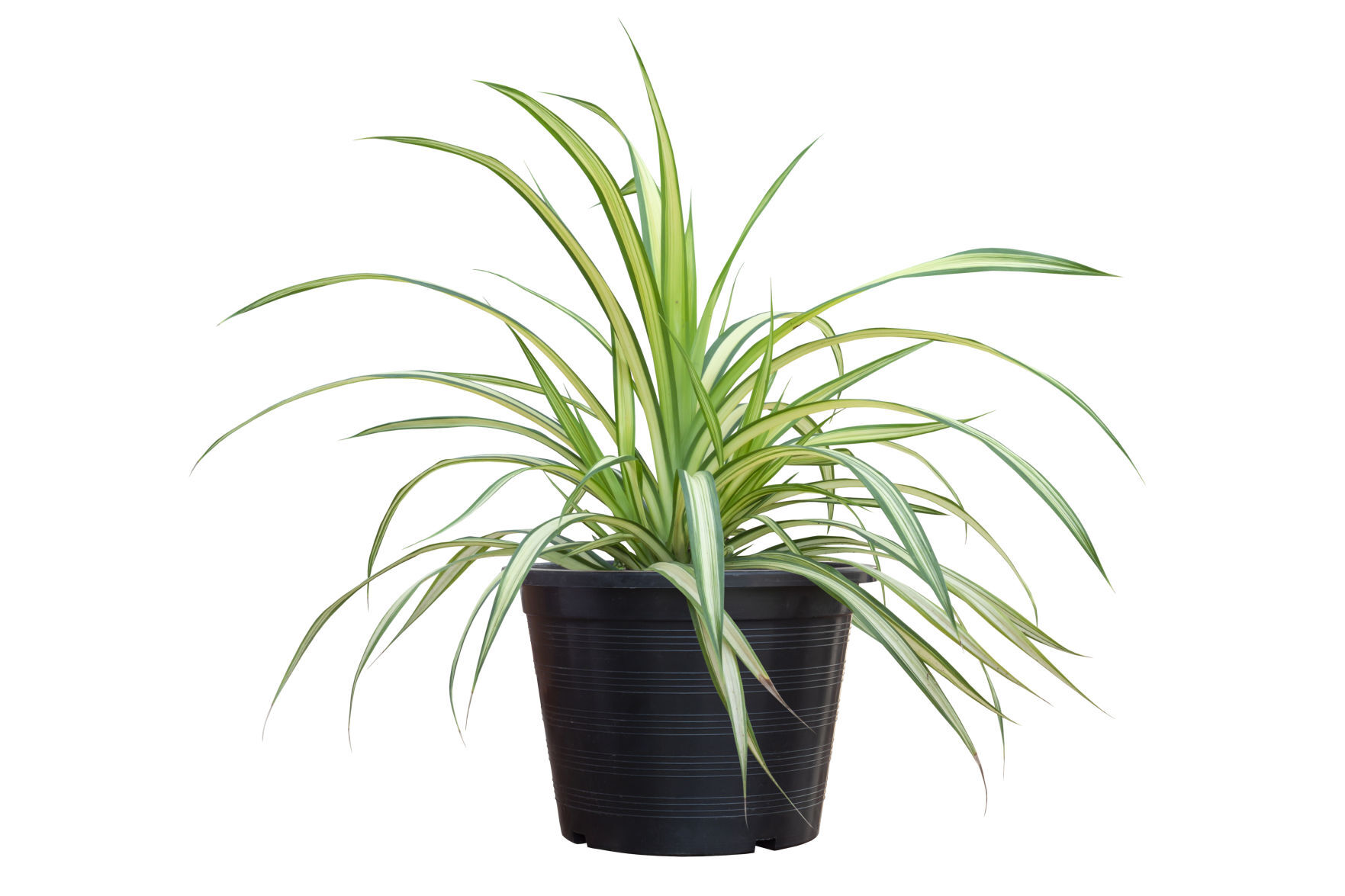
Spider Plant or Chlorophytum bichetii (Karrer) Backer in black plastic pot isolated on white background included clipping path.
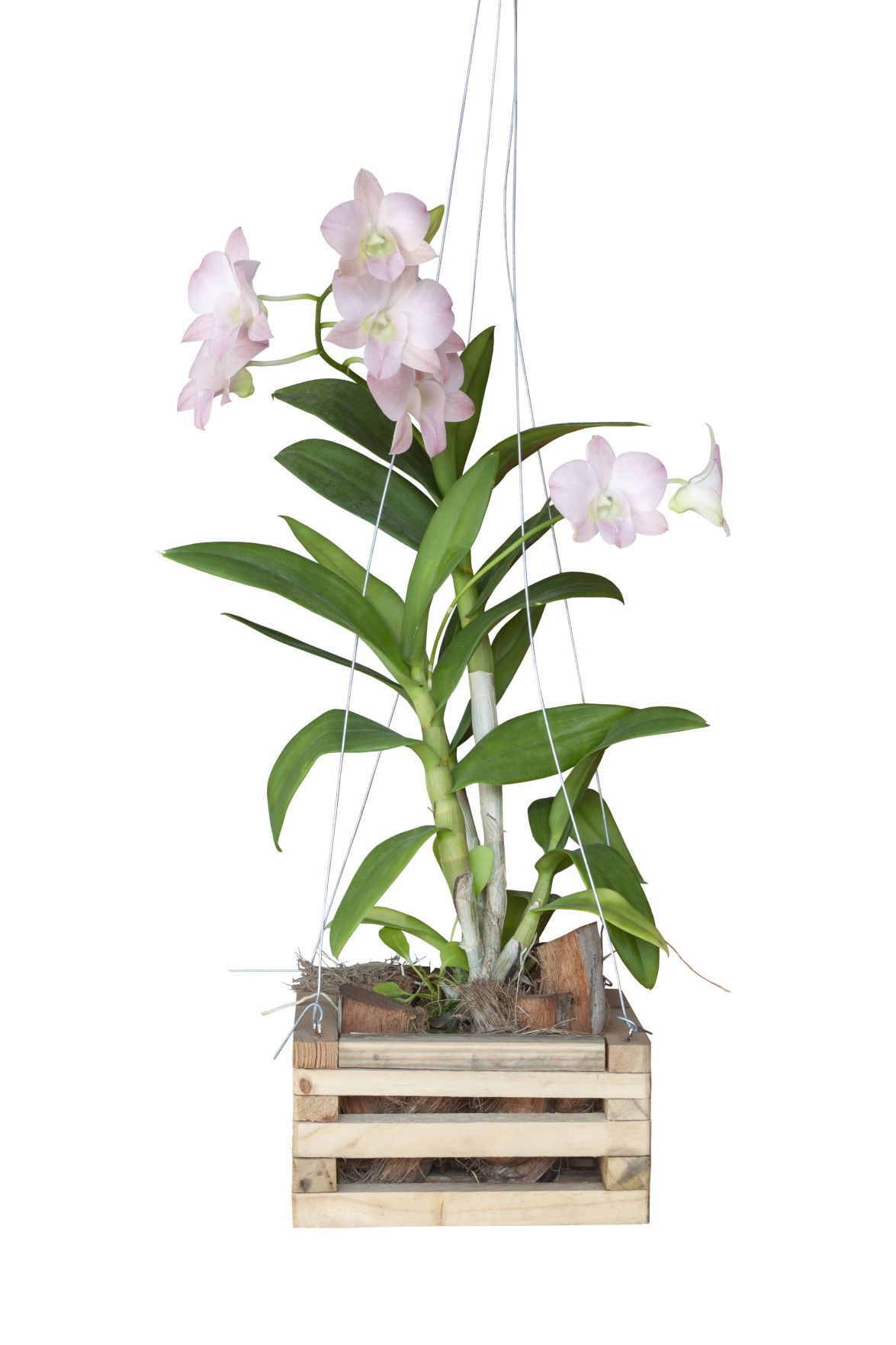
Pink orchid flower bloom and hanging in wooden pot in the garden isolated on white background included clipping path.
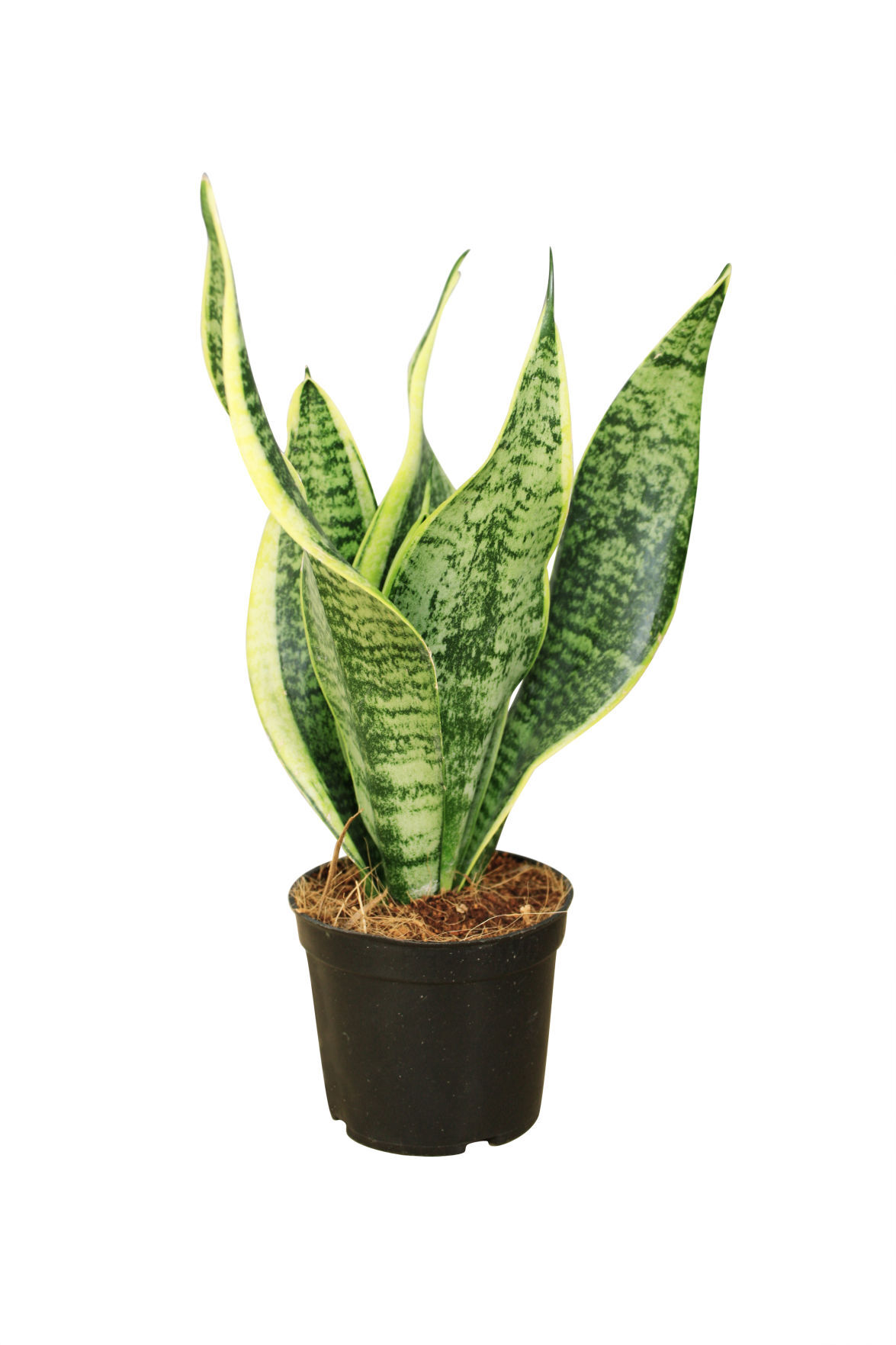
Tropical plant Sansevieria Trifasciata (also known as Mother-in-law's tongue, snake plant, pike tail, Viper's Bowstring Hemp). Decorative houseplant Sansevieria in pot. Isolated on white background
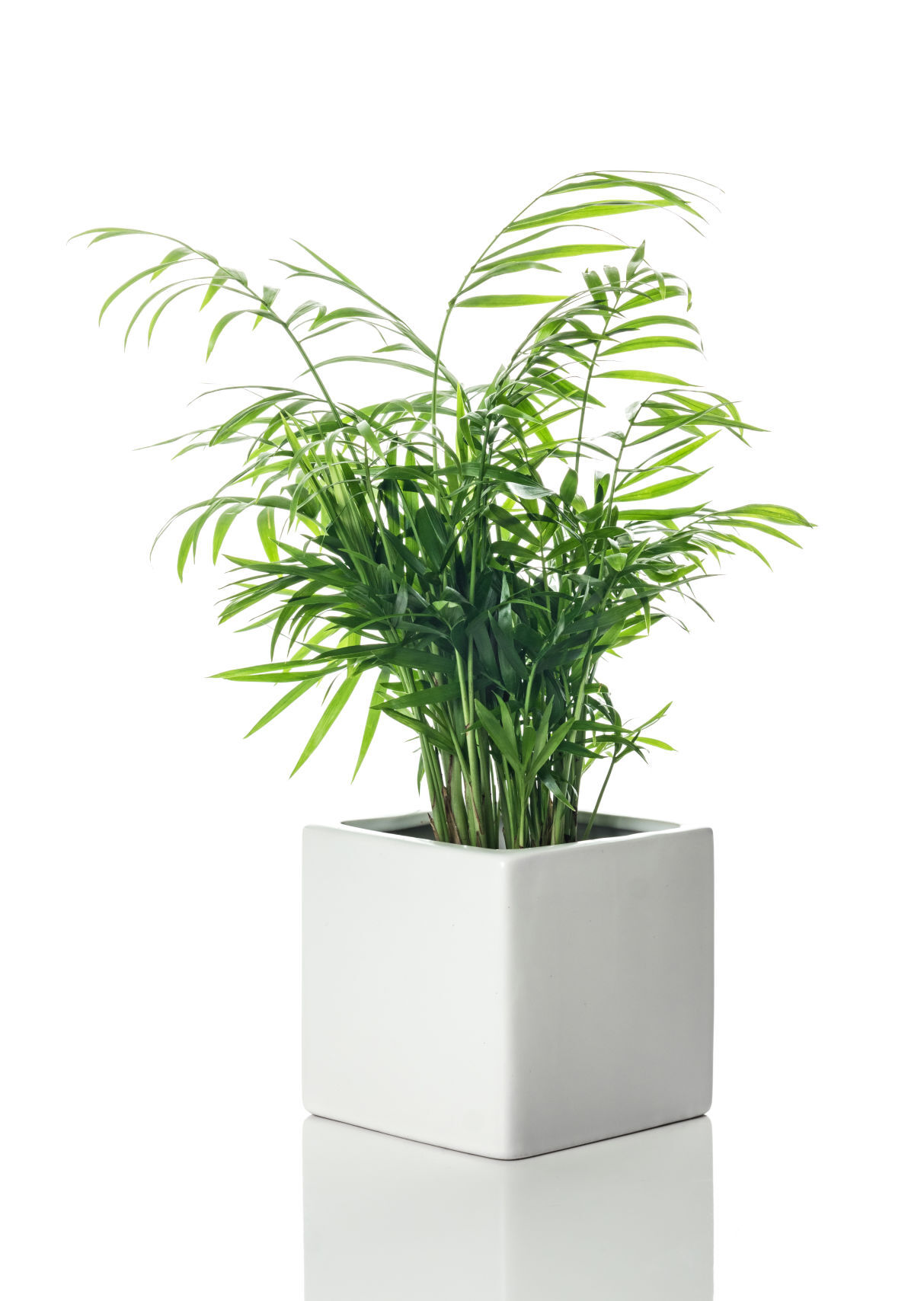
Beautiful Parlor palm in a white ceramic pot, with reflection, on white background.
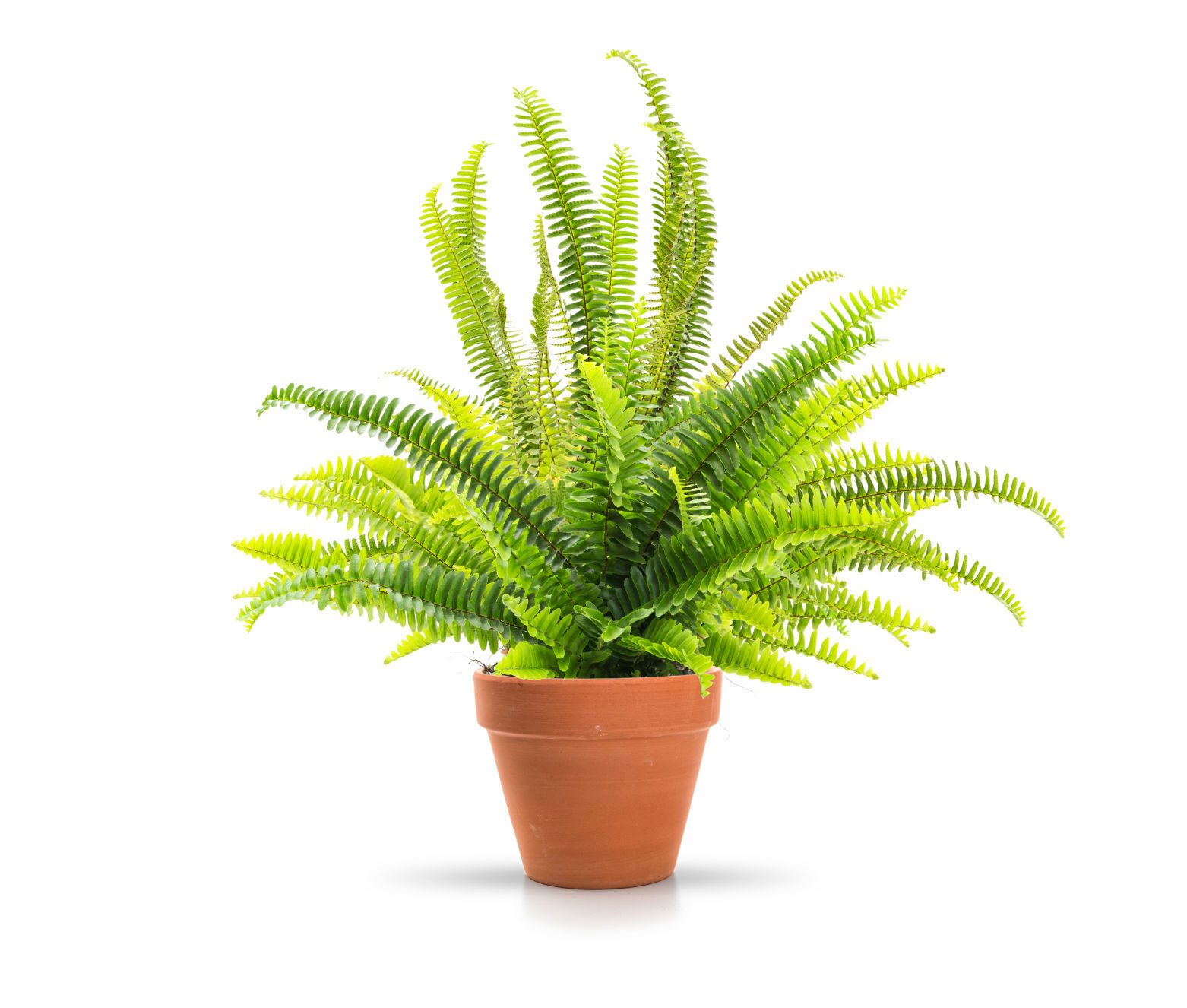
Fern in a clay pot on white background, including clipping path
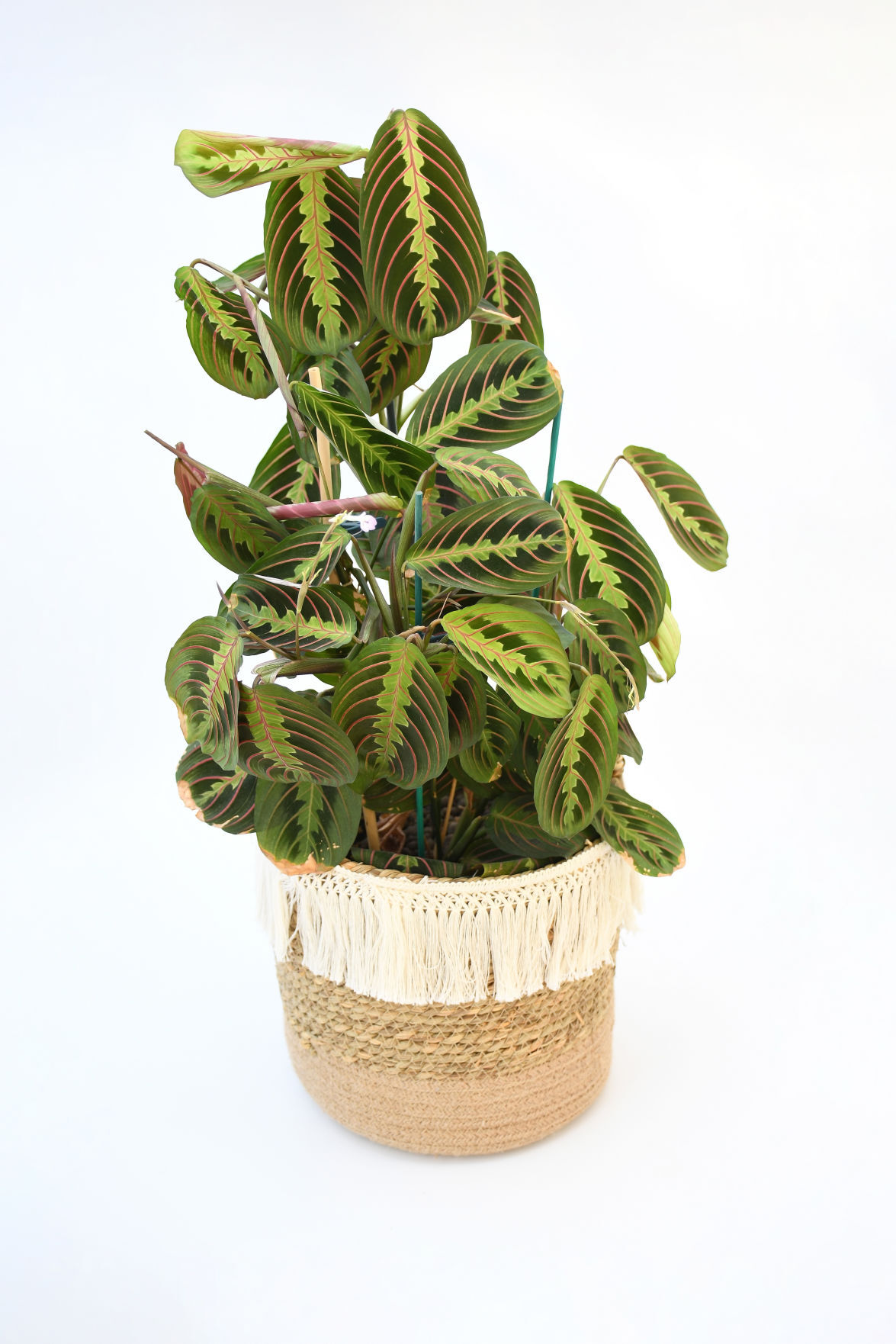
Beautiful freshness maranta leuconeura plant or Prayer Plant with leave mix colors with green and red textured leaves in nature pot on white background isolated . concpept plant for decor indoor
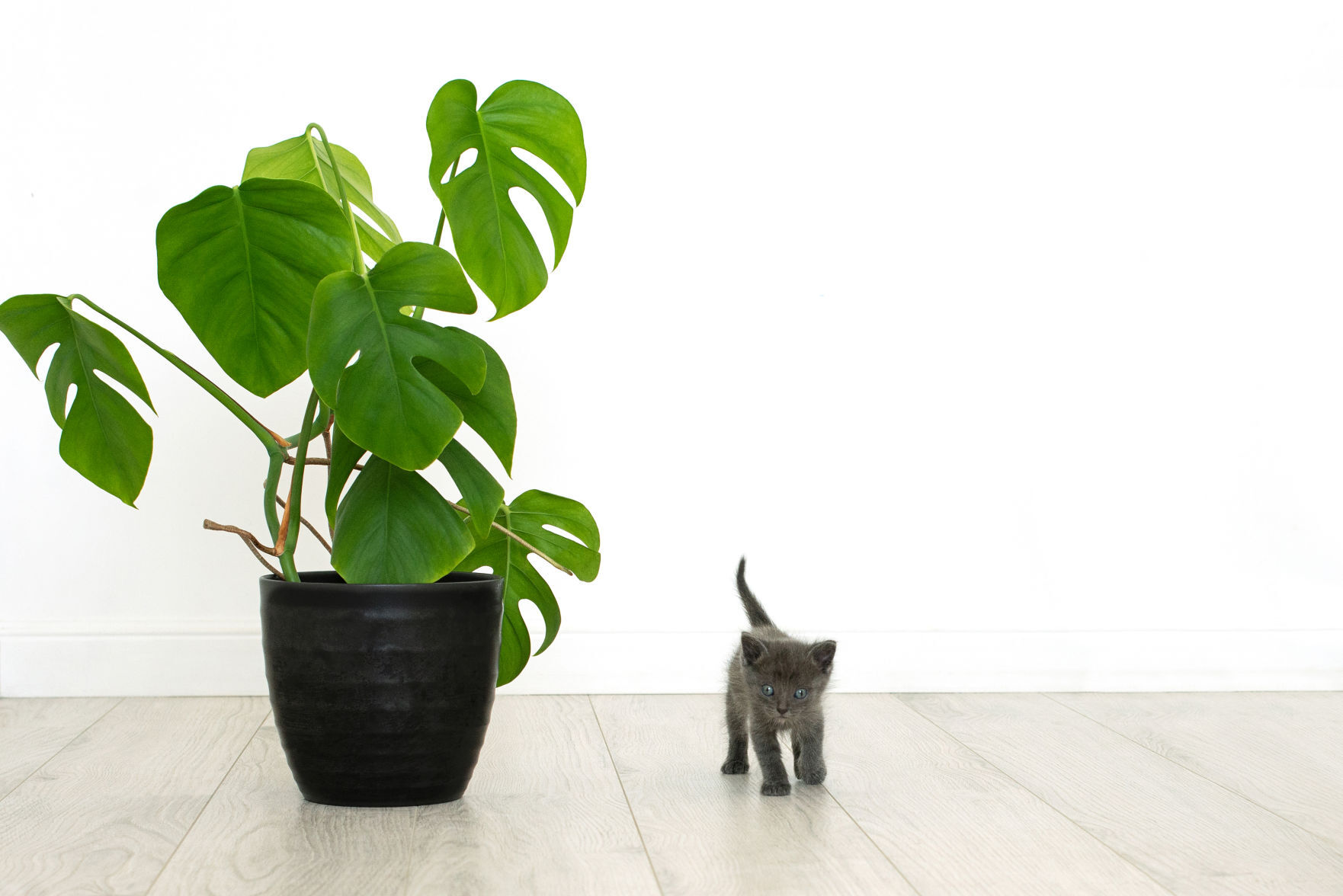
gray kitten and home plant monstera. Potted flower
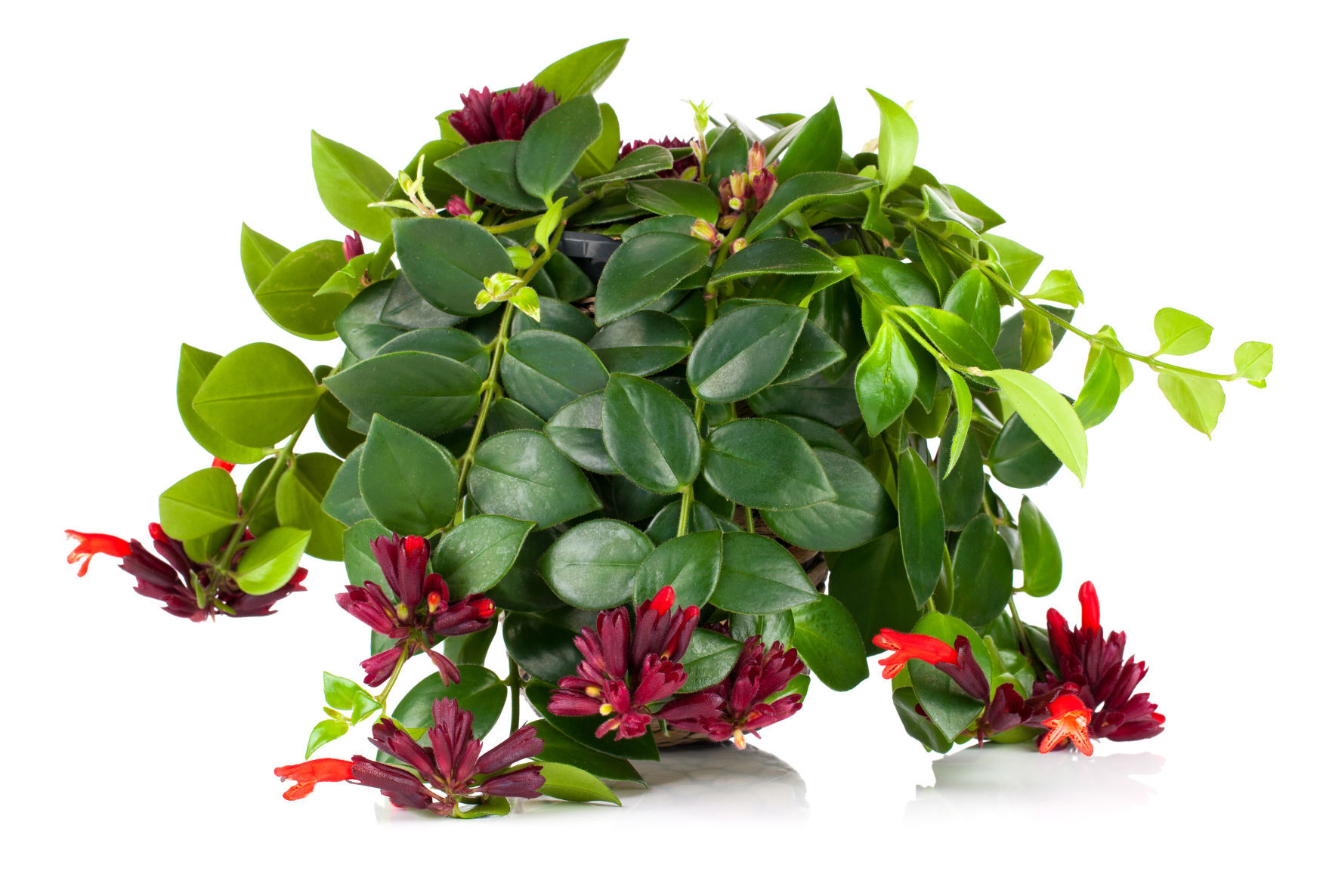
Lipstick Plant (Aeschynanthus radicans) in pot isolated on white background