
Greg Little
Kicks Editor
First, camp directors worried about campers feeling comfortable enough to return.
Now, they鈥檙e struggling to get enough counselors.
The YMCA of Metropolitan Chicago is having trouble hiring enough overnight counselors鈥攁nd camp starts this week. The shortage is leaving camp directors worried about ensuring enough staff to welcome more kids to sleepaway camps, where children stay overnight and do activities like fishing and kayaking.
Bobby Thomas, executive director of several YMCA camps, said they have been spending months assuring parents about the safety of summer camps after many were unable to operate last year.
Now, they are fielding challenges with securing international camp counselors; usually, they have young adults come in to work at camps from the United Kingdom, Australia, New Zealand and Mexico.
鈥淚t鈥檚 down to the wire,鈥� he said.
The YMCA of Metropolitan Chicago operates five overnight camps: two in Illinois, two in Wisconsin and one in Michigan. Camp Pinewood, the Michigan camp, is experiencing the biggest shortage. It usually hires 16 seasonal camp counselors and had secured only six. Camp began June 20.
Thomas said this will affect how many kids can attempt camp, something hard for him to reconcile after children have had such a screen-heavy, isolated year.
鈥淲e have a ton of kids that are sitting on a wait list, sitting at home on pins and needles and want to come to camp; they鈥檙e dying to come to camp,鈥� he said. 鈥淚 know that kid鈥檚 going to potentially miss out on an overnight summer camp experience because we can鈥檛 find enough staff.鈥�
Many of the management staffers are jumping in to help as counselors, and Thomas said they have enough to operate safely. But he also has a large wait list of kids hoping to attend camp, and if they have more counselors, they can bring more kids.
Part of the issue is that the pandemic affected visas, and many of the YMCA counselors in the past have come from abroad.
Also, even as the pandemic ebbs, Thomas wonders if some parents don鈥檛 want their young adults in a space with others.
鈥淭hat鈥檚 probably hurting us a little bit too,鈥� he said.
They plan to stagger some activities, for example making scheduling decisions around ensuring there are sufficient people to run the zip line safely, and have enough lifeguards present.
鈥淚鈥檓 happy to go and lifeguard,鈥� he said.
Thomas grew up going to overnight camps every summer and was a camp counselor for years. 鈥淚t鈥檚 just one of the best jobs you could ever have. You鈥檙e getting paid to have fun,鈥� he said.
There is responsibility, he said, in taking care of campers. But, he added, 鈥淭hose kids want to be there, and they want to be having fun with you. They look up to you, they want to jump in the pool like you, they want to go down the zip line like you go down the zip line. It鈥檚 kind of cool to be that role model.鈥�
Being a camp counselor teaches people how to problem solve, and expands empathy. He met his wife at camp, and multiple of his groomsmen were friends from camp.
鈥淵ou鈥檙e going to meet your best friends,鈥� he said.
Robin Czajka grew up going to camp, and has encouraged her daughters to attend and be counselors. It鈥檚 a wonderful experience, she said.
鈥淭he opportunity to spend most of the summer away from home, with other people their own age, helping kids have the best summer of their lives and getting paid to do it, sells itself,鈥� she said. 鈥淓specially after the year we have had, just the opportunity to be around other people their own age outside in the fresh air and sunshine is awesome.鈥�
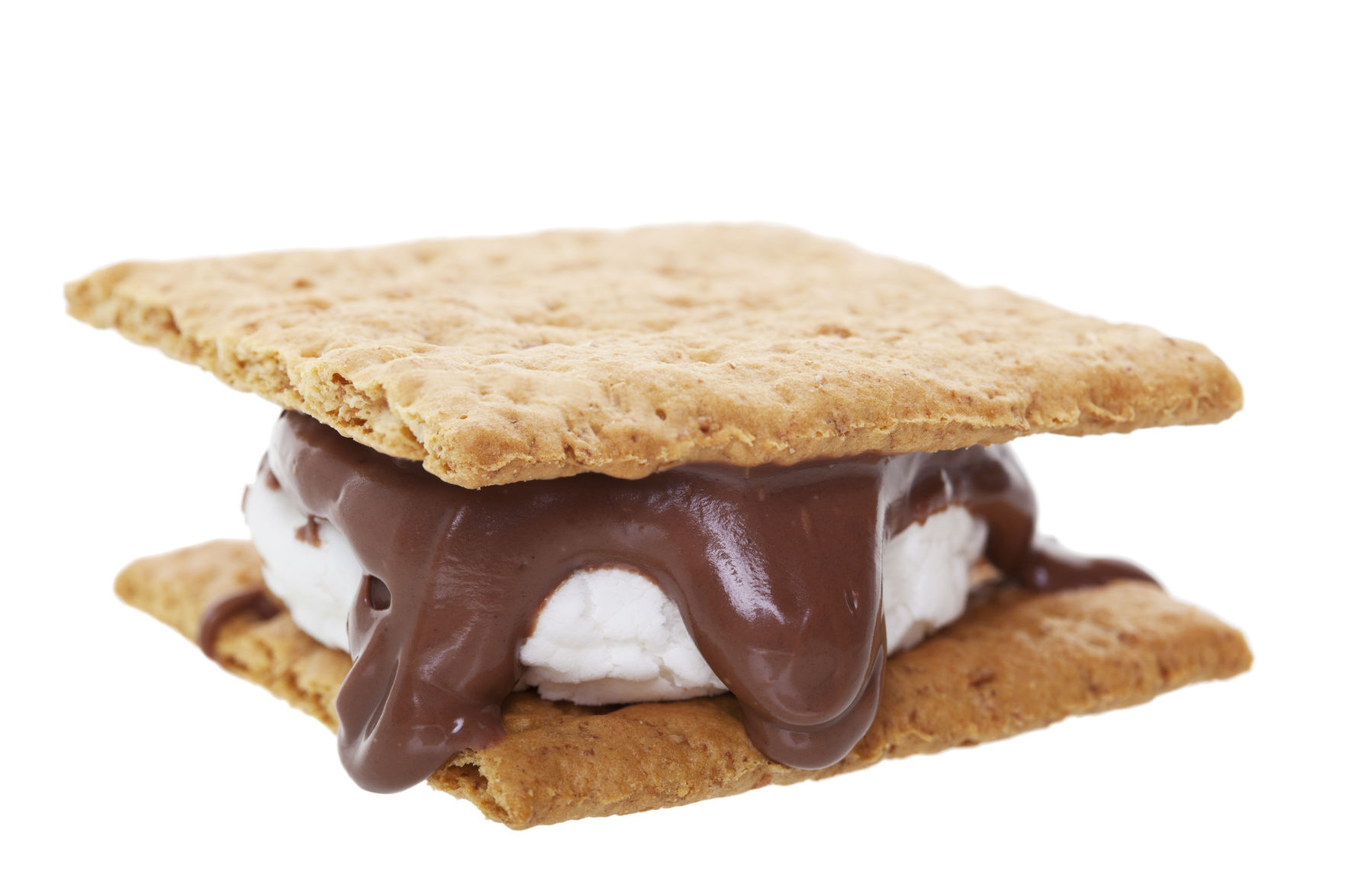
Smores: graham wafer crackers with melted marshmallows and chocolate. This camping favorite is prepared over an open flame and makes a great treat.
As the country emerges from the pandemic, doctors say they are flooded with patients who are battling sleep disorders.
Some people can鈥檛 get back on a normal sleep schedule after working from home and staying up late. Others gained weight and their airway obstruction worsened. Then, there is a group with anxiety, grief or guilt, suffering what has become known as coronasomnia.
鈥淚nsomnia has gotten worse with the epidemic,鈥� said Dr. Samuel Gurevich, pulmonologist and sleep specialist with Cleveland Clinic Florida. 鈥淪tress and difficulty sleeping go hand-in-hand.鈥�
In South Florida, the sleep field includes surgeons, pulmonologists, internists and therapists who attack the barrier to a good night鈥檚 rest through different approaches. As the pandemic brings more patients in鈥攄esperate to shake off fatigue鈥攅xperts are using new innovations to help them sleep better.
Those innovations range from medical apparatus and implanted devices to sleep coaching, intense therapy, acupuncture and hypnosis.
One thing sleep experts all advocate: Ditch the sleeping pills.
鈥淵ou will get dependent and end up needing more and more,鈥� Gurevich said. 鈥淲hen you try to come off them, you will be worse off than when you started.鈥�
Doctors say they first look for medical issues, which include sleep apnea, a condition when breathing disrupts sleep. No longer do people need to sleep in labs to know if they have this condition. Most of the time they can do home tests that monitor breathing and other vital signs.
Dr. Brian Gotkin, a pulmonologist and sleep specialist with Memorial Healthcare System, says heart conditions and weight gain brought on by the pandemic have aggravated sleep apnea cases.
鈥淢ore people were inactive during COVID. They gained weight and it has affected their snoring and sleep-disordered breathing, and now they are more tired during the day and want help,鈥� said Gotkin, who runs Memorial鈥檚 sleep lab.
Advances in the CPAP machine used to treat sleep apnea have led to more comfortable breathing masks and smaller travel devices, he said.
One of the newest treatments for obstructive sleep apnea has recently become covered by insurance and Medicare in Florida. It鈥檚 an FDA-approved device that gets implanted in the body and controlled by the patient using a small, handheld remote turned on before bedtime.
Sleep surgeons throughout South Florida have begun to offer this treatment.
Charles Zeller, an otolaryngologist with the Broward Health Physician Group, said he already has done three implants this year. He also has partnered with doctors from Pulmonary, Critical Care and Sleep Disorders Institute of South Florida to perform the surgery at Broward Health North and treat patients for follow up in Palm Beach County.
鈥淲e are trying to help the huge upsurge of patients from Jupiter down that just can鈥檛 find a good treatment solution for their sleep apnea,鈥� Zeller said.
For chronic insomnia, South Florida sleep coaches say they are jammed with patients who need help retraining their body and mind to shut down after multiple stressors caused by the pandemic. Some arrive after primary care doctors refuse to refill their sleeping pill prescriptions, the coaches say.
鈥淲ith insomnia, there鈥檚 an event that sets it off, in this case, the pandemic,鈥� said Elizabeth Bonet, a sleep therapist in Hollywood. 鈥淭hen you get into a bad habit of poor sleep and then worry about your poor night鈥檚 sleep, which makes it worse. I am coaching a lot of people now who have come to realize their problem is fixable.鈥�
Bonet said coaching combined with hypnosis takes about 10 to 12 weeks to resolve sleep issues.
Along with coaching, Dr. Ashwin Mehta, an internist and sleep specialist with Memorial Healthcare System, said he uses acupuncture, nutrition, exercise and mindfulness techniques to target insomnia. More of his patients are healthcare workers who endured the trauma of COVID.
鈥淚nsomnia can transition from acute sleep loss to a more chronic pattern,鈥� Mehta said. 鈥淲e need to break that cycle.鈥�
Mehta said patients need to know coaching and other techniques are not the quick fix provided by medication but have longer-lasting effects.
鈥淚t takes time to let go and relax,鈥� he said. 鈥淒uring a pandemic, more people find that鈥檚 something they need to make a conscious effort to do.鈥�
Kicks Editor
Are you older than 40 and suddenly feel like your straining to read things right in front of your face?
Experts at Mayo Clinic say it鈥檚 actually a normal part of aging.
鈥淚t happens to 100% of humans,鈥� said Dr. Muriel Schornack, an optometrist. 鈥淚 have never yet seen a patient who does not become presbyopic. That鈥檚 really the term that we use for that.鈥�
Presbyopia is a gradual loss of your eyes鈥� ability to focus on nearby objects. It becomes noticeable in your early 40s and worsens until your mid-60s.
Presbyopia is caused by a hardening of the lens of the eye as you age. As the lens becomes less flexible, it can no longer change shape to focus on close-up images.
鈥淚t feels like you fall off a cliff,鈥� Schornack said. 鈥淏ut this is really a process that鈥檚 been going on for a very long time.鈥�
A basic eye exam can confirm presbyopia. Eyeglasses or contact lenses can correct the condition.
鈥淚鈥檒l sometimes joke with patients that you will have a three-month period in your life where you go from, 鈥榃ell, yeah, of course I can see that鈥� to 鈥極h, my goodness, is there writing on that?鈥欌�� Schornack said.

Man with funny expression and thick glasses looking far away on white background.
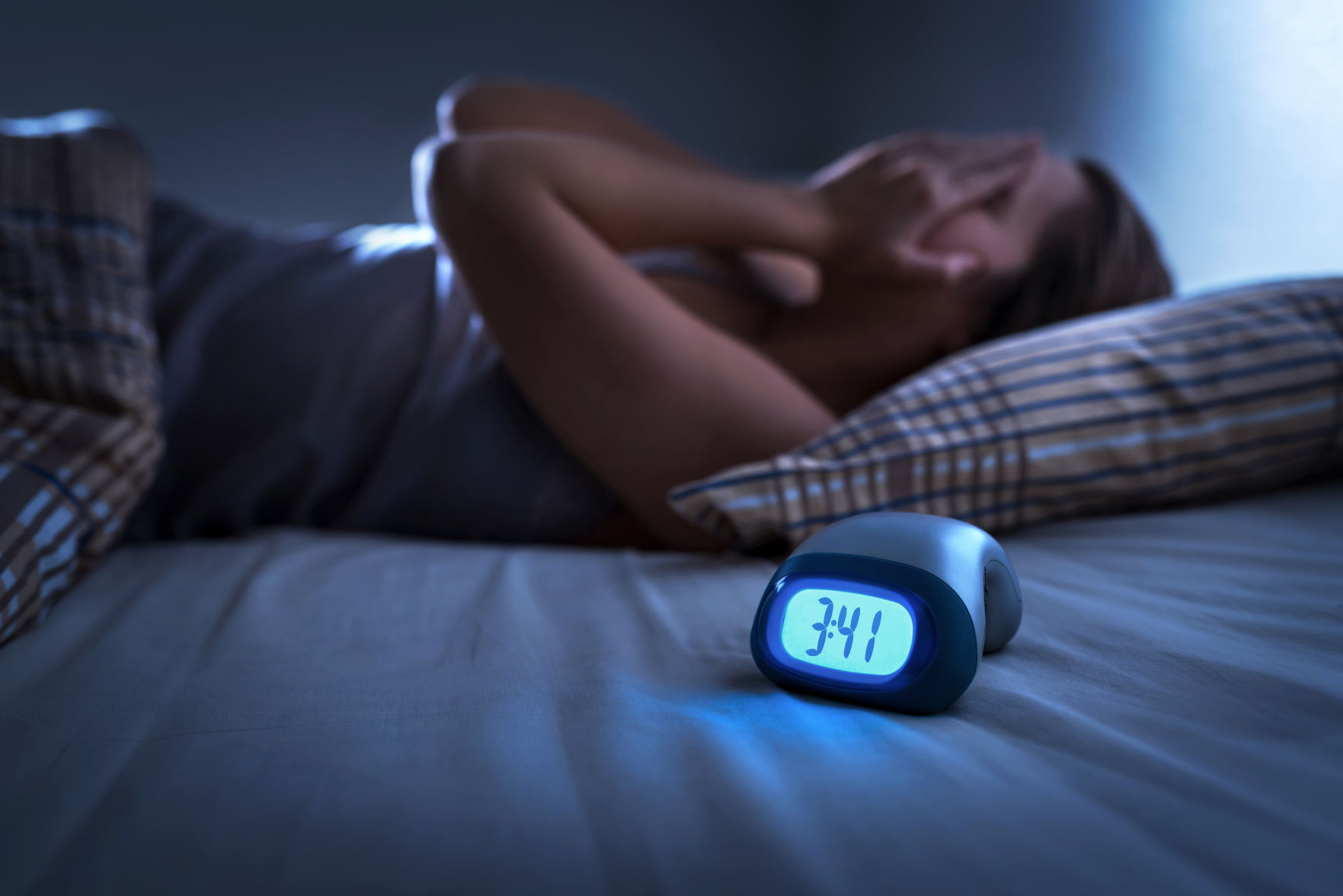
Sleepless woman suffering from insomnia, sleep apnea or stress. Tired and exhausted lady. Headache or migraine. Awake in the middle of the night. Frustrated person with problem. Alarm clock with time.