Many humans adjusted to wearing masks last year for the greater good. Why not cows?
Cargill Inc. is partnering with Zelp Ltd., a U.K.-based startup, to distribute devices that are put over a dairy cow鈥檚 nose to absorb methane released by their burps and exhales.
Minnetonka-based Cargill, with a sizable animal nutrition business in Europe, is working with dairy farmers there to gauge and shore up interest in using Zelp鈥檚 cow-mask technology.
It鈥檚 the latest in a series of experimental pilots, programs and technologies being explored by the mammoth agribusiness as it seeks to reduce the environmental toll of livestock within its supply chain.
鈥淚t鈥檚 obviously reducing methane鈥攖hat鈥檚 the primary piece鈥攂ut it also improves animal welfare because we are able to capture, analyze and process data about the animals and their behavior and eating habits,鈥� said Heather Tansey, sustainability director for Cargill鈥檚 protein and animal nutrition businesses.
The wearable device is fitted on a harness and hangs over the cow鈥檚 nostrils like a window awning. The accessory captures and converts methane, of which 90 to 95% is released through a cow鈥檚 mouth through belches or exhalations, into carbon dioxide.
Zelp notes that while CO2 is also a greenhouse gas, methane is a far more potent contributor to warming the planet. Early trials suggest its devices effectively capture more than half the methane emissions created by the dairy cows.
As one of the world鈥檚 largest purveyors of agricultural goods, Cargill is under constant pressure to clean up its supply chain in everything from palm oil to soy.
Its beef production, concentrated largely in North America, is arguably under the greatest consistent pressure because of the greenhouse gas emissions of ruminants.
Recent events have ratcheted up the scrutiny in new ways. The COVID-19 pandemic exposed vulnerabilities of a concentrated meat industry, with four major processors, including Cargill, controlling roughly 80% of the U.S. beef market.
The recent ransomware attack on competitor JBS USA again highlighted the influence the dominant meat companies have on the nation鈥檚 supply of conventional proteins.
The Food and Agriculture Organization of the United Nations estimates that 14.5% of greenhouse gas emissions caused by human activity are due to the feeding, raising and processing of livestock. Last year Cargill rolled out its Beef Up program aimed at cutting its U.S. beef emissions by 30%.
Its efforts so far have largely been focused on partnering with conservation nonprofits and major U.S. retailers and restaurants, including McDonald鈥檚 and Target, to expand soil health-improvement techniques, commonly called regenerative agriculture, that use specialized grazing practices to capture carbon in fields and pastures.
The cow-mask product is still in a trial period and, with Cargill鈥檚 network of dairy farmers in Europe, could scale more quickly.
鈥淚f it is successful in capturing and converting methane to CO2, and you can scale it up and put it on a lot of farms ... then, yes, (meaningfully cutting emissions) is definitely a possibility,鈥� said Brad Heins, a dairy production professor and researcher at the University of Minnesota.
Cargill said it doesn鈥檛 plan to bring the mask technology to the U.S. for use on beef cattle. But Heins said he believes such a device could easily be applied to a feedlot setting.
Perhaps the most important factor in the success of the apparatus will be the cost, Heins said.
鈥淚t has to beat a certain price point. There has to be some economic advantage to the farmer. Obviously economics drive a lot of their decisions,鈥� Heins said.
The company said it hasn鈥檛 determined the cost of the device yet, and much of it depends on incentives given European dairy farmers that, according to a Cargill spokesman, are 鈥渞apidly evolving and will certainly have changed by the time we will go to market.鈥�
Zelp says the cows quickly adjust to the wearable device, which also collects data that can detect early signs of disease or when the cows are most fertile. The distributor partnership builds on Cargill鈥檚 existing sales portfolio, which includes feed additives that claim to lower methane production within the animal鈥檚 gut.
Tansey said the company sees a clear sales pitch for this device.
鈥淲e think there are some really interesting insights we are going to be able to gain with producers around sustainability,鈥� Tansey said. 鈥淭here are a lot of downstream customers that are interested in reducing the impact of the milk they are buying.鈥�
Farmers looking to sell 鈥渃limate-smart milk鈥� that fetches a premium could see the financial benefit.
鈥淲e believe the farmers that will be interested in this product,鈥� Tansey said, 鈥渁re ones selling to companies wanting a more sustainable supply chain.鈥�
As the country reopens, so does the ability to travel. Some of us might want to take our dogs along for the ride. Before you and your dog jump in the car or hop on a plane to your next destination, here are things to consider.
Plan ahead
When traveling with your dog, proper planning makes all the difference. Bringing your dog with you is going to affect the kind of vacation you have: where you go, how you get there, where you can stay and the types of activities you鈥檒l be able to enjoy.
Medical issues
Travel can be stressful to some pets, especially if they aren鈥檛 accustomed to it. Signs of stress can include going off their feed, excessive barking or chewing, and even diarrhea and vomiting.
If a dog is used to traveling, no medication is usually required or recommended. If your dog has a history of becoming car sick, your veterinarian can prescribe medication to ease nausea and vomiting. Anti-anxiety medication can be prescribed by your veterinarian if the vet believes the dog might benefit from it.
To minimize and prevent gastrointestinal issues, try to pack a little of the same food and keep everything as close to schedule as possible. Some dogs might have medical concerns that need to be considered. This might include dogs that have serious underlying medical issues such as epilepsy or diabetes, or an elderly dog.
Vaccinations
All dogs traveling should be healthy and free of communicable diseases. Prior to a trip, your dog should be examined by your veterinarian to make sure he鈥檚 up to date on their vaccinations, heartworm prevention, and flea and tick prevention.
In case of an accident or escape while traveling, your dog should have accurate identification such as a microchip in place with updated information. For road or air travel, no papers are required for interstate travel but it鈥檚 strongly recommended that owners have proof of current rabies vaccination. If your dog is flying in cargo, documentation of a current rabies vaccination as well as a current health certificate is required.
Gear for your dog
A pet-friendly travel kit should include:
- A dog collar and leash.
- Food and water bowl.
- Poop bags.
- A crate or carrier.
- Enough food to feed your dog until you can purchase that brand at your destination.
- Baby wipes.
- Paper towels.
- Your dog鈥檚 medication, a photograph of his vaccination record and a list of your dog鈥檚 medications in case you need to purchase more.
Pet-friendly policies
Travelers with pets should always confirm pet policies before booking. Generally, lodging with pet-friendly policies will allow small dogs. If you鈥檙e traveling with medium, large or multiple dogs, it might be more of a challenge to find pet-friendly accommodations. Some pet-friendly lodgings charge a fee. Ask for details on pet-friendly policies so that you aren鈥檛 surprised when the bill comes.
Know your dog
Consider the type of trip you鈥檙e taking, because not every activity is suitable for every dog breed.
For example, a Pekingese is not the kind of dog to take hiking. A German Shorthaired Pointer wouldn鈥檛 be content just lying around the hotel room. This is the reason it鈥檚 important to choose a breed that fits your lifestyle, so you can share your life鈥檚 moments with your dog. Therefore, choose the vacation that best suits you and your dog.
Some breeds of dogs are more sensitive to hot temperatures, such as older dogs or brachycephalic-type dogs, and some dogs are sensitive to cold weather, such as hairless breeds and those with osteoarthritis.
Temperature changes must always be considered when traveling, especially when traveling by plane if dogs must go in cargo.
Car safety
A lot of dogs love car rides and are eager to join their family on trips. Before packing the car to hit the road, consider how this trip will affect your dog and how it will affect you.
Traveling by car requires the driver鈥檚 complete concentration. Dogs that are kept in their crates or restrained by a harness allow the driver to focus on the road. Additionally, dogs in crates are generally safer in collisions, and it prevents them from jumping out into traffic and getting lost.
Before traveling, take the time to get your dog comfortable with his crate. No dog should be left in a car alone on any occasion, especially if the weather is above 65 degrees.
The chance of heatstroke after leaving your dog in a hot car is very real. If traveling in a car, take exercise and stretch breaks every 4-6 hours.
Consider leaving your pet at home
If you don鈥檛 think that your dog will be safe and comfortable for most of the trip, you need to think about whether bringing your dog along is a good idea, and whether it might be better to have him stay home with a qualified sitter.
Remember that you and your dogs are ambassadors for all the pets that travel in the future.
If you travel courteously and responsibly, pet-friendly venues will continue to welcome our dogs.
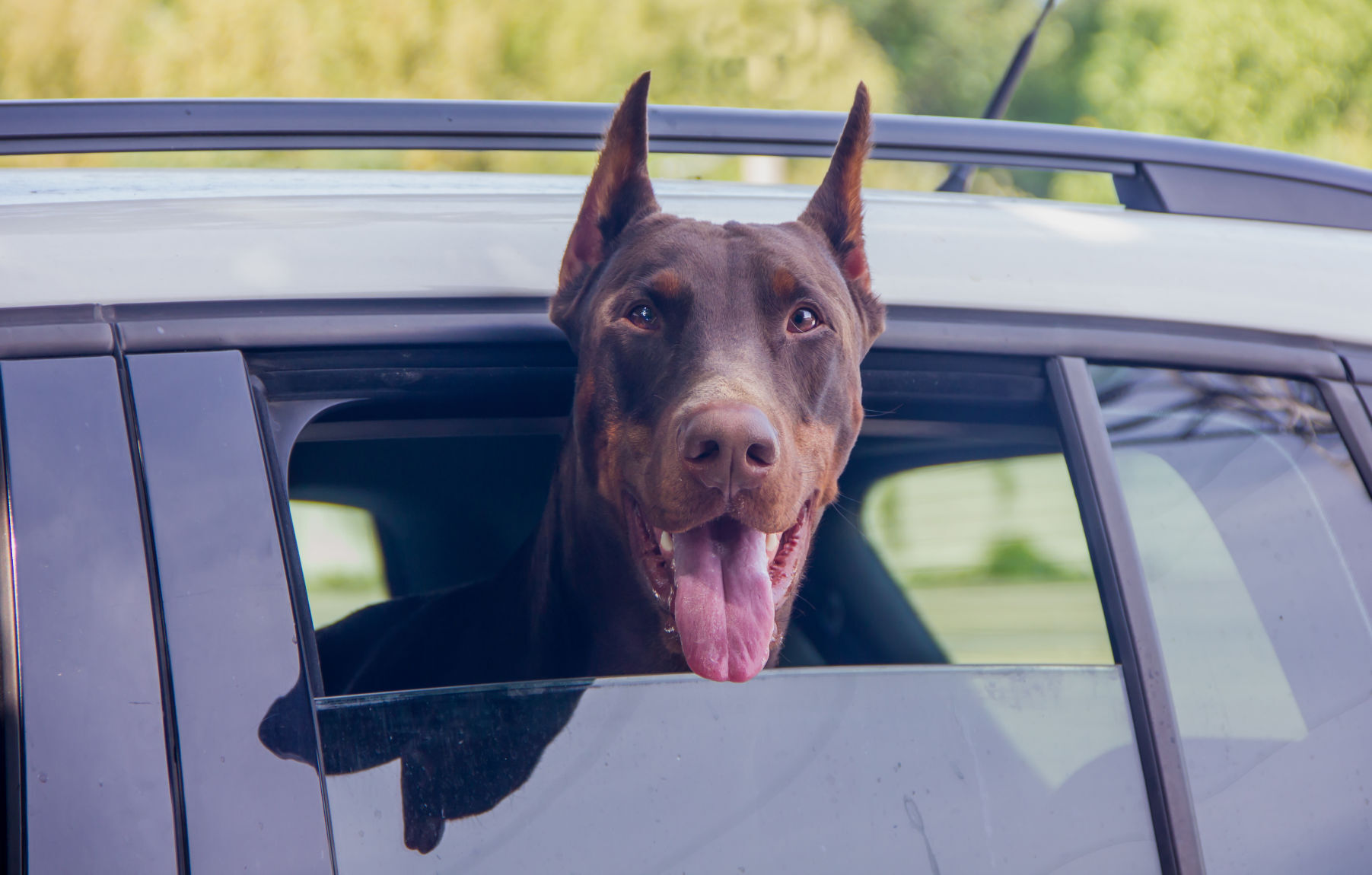
Dog Brown Doberman looks out of the side window of the car. Close-up
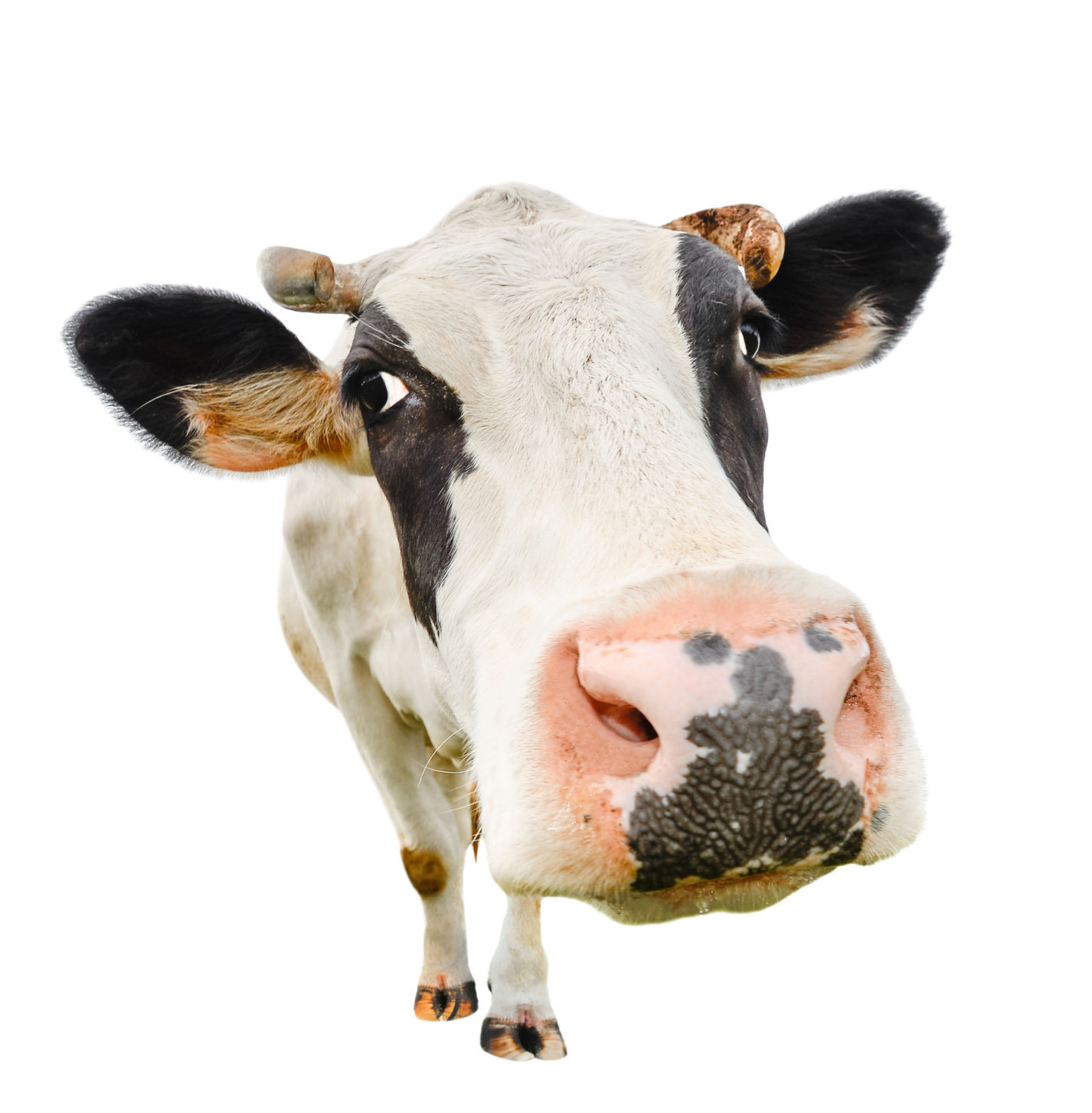
Funny cute cow isolated on white. Talking black and white cow close up. Funny curious cow. Farm animals. Pet cow on white. Cow close looking at the camera