

JANESVILLE 鈥� Keynote speakers at a virtual Racial Justice Conference hosted Thursday by YWCA Rock County spoke about racial equity, trauma and the legacy of Emmett Till.
More than 400 people registered for the conference that sought to encourage insightful conversations about how to support diverse populations.
This year鈥檚 theme was: 鈥淚s fear keeping us from eliminating racism?鈥�
鈥淲e actively strive to eliminate racism and promote equity,鈥� YWCA Racial Justice Director Amiee Leavy said in opening remarks.
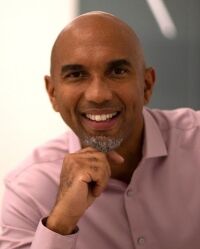
Dr. Mark Joseph, a prominent influencer on the advancement of racial equity and racial justice at an individual, organizational, and systemic level, said in his keynote address that fear may be keeping society from eliminating racism, including the fear of saying the wrong thing or feeling misunderstood.
Joseph further spoke on the history of colonialism, white supremacy, and land theft which actively shapes the realities of marginalization in the U.S.
He encouraged attendees to focus on their spheres of influence while adopting a framework for action, to help steer towards racial progress.
He defined racial equity as 鈥渨hen race no longer predicts life opportunities and outcomes,鈥� while racial justice was defined as 鈥渨hen systemic racial harm and inequities have been acknowledged, reconciled, healed, and ceased.鈥�
Discussing implicit biases, he explained how non-White people can say they can鈥檛 be racist, when they can be just like anyone else.
People can make racial progress at an individual level within their spheres of influence, which include yourself, family, social networks, workplace, block, neighborhood, civic sphere, and city, he continued.
鈥淧ick one or two, just start somewhere,鈥� he said. 鈥淵ou never know when you plant a seed in someone.鈥�
鈥淟ead with curiosity,鈥� Joseph continued, sharing an example of a job flier that he said exhibited racial biases.
Acknowledging truths about racial harms and making space for multiple truths is essential, Joseph continued.
For racial progress, everyone needs to accept the 鈥渦gly realities鈥� about the past, present, and future, he said.
People ask, 鈥渃an鈥檛 we move on already?鈥� but if you teach children about history, they can be the solution rather than leading new generations into repeated, negative treatments, he said.
He encouraged the acceptance of each person鈥檚 journey, the acknowledgement of trauma that can help lead to healing, and the practice of empathy.
Joseph also urged people to find meaningful ways of making amends for historic harms. He said it鈥檚 important to determine how to compensate those who have been wrong.
鈥淗ow do we shift influence and control to those who hold it, to the vulnerable?鈥� he said, so that racial injustice can 鈥渟lowly be chipped away.鈥�
The conference鈥檚 break-out session topics included 鈥淏uilding your everyday antiracist muscles,鈥� with Dr. Mark Joseph, 鈥淢icro-agressions in the workplace,鈥� with Dr. Bridgette Baldwin, and 鈥淐elebrating diversity and promoting belonging in a smaller staff environment,鈥� with Healthnet operations director Todd Jacot.
Justice Deferred: Our Family鈥檚 Journey
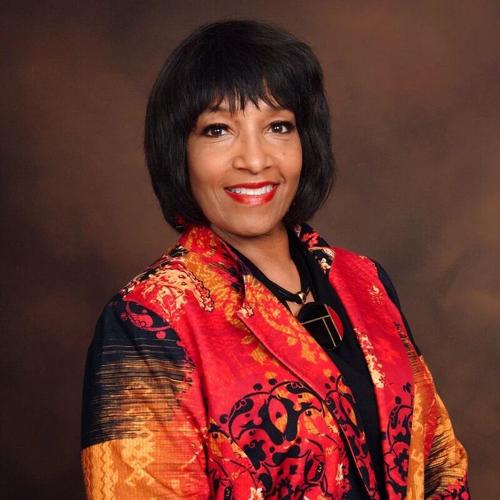
The afternoon keynote speaker was Deborah Watts, co-founder of the Emmett Till Legacy Foundation. The foundation started in 2005 to preserve the memory and legacy of Emmett Louis Till, Watts鈥� cousin, and his mother Mamie Till Mobley鈥檚 hope for justice.
鈥淪he connects the past with the future,鈥� Leavy said.
Watts gave tribute to Native American land and history as well as all the women and people who fought to be where we could be today, while discussing future steps.
A clip of an Emmett Till documentary was shown before Watts dissected Till鈥檚 story.
Watts鈥� shared how Till Mobley humanized her son.
Till Mobley demanded an open casket funeral for her son so people could 鈥渂ear witness to what hate looks like,鈥� Watts said.
Till Mobley was an author, a playwright who 鈥減oured her life鈥� into young people, Watts said.
No one was originally charged in the Emmett Till鈥檚 murder. The case was reopened in 2004, but in 2007 a grand jury decided there would be no charges.
Carolyn Bryant Donham, the wife of one of the men who killed Till, was never taken into custody even though a warrant was issued for her arrest in 1955.
When asked why she thought Donham was never tried, Watts responded that 鈥淚 don鈥檛 think America is ready to hold a White woman accountable for the murder of a Black boy.鈥�
鈥淛ustice was deferred and justice was denied,鈥� Watts said.
Watts additionally talked about her advocacy work for families affected by generational trauma.
Additional breakout sessions later in the day included 鈥淭he cost of poverty: environmental and climate justice,鈥� with Mr. Montre Moore, 鈥淐ivic engagement as a tool for eliminating racism,鈥� with State Sen. Mark Spreitzer, Lisa Johnson, and Susan Adams, and a question and answer session with Deborah Watts that drew 150 attendees.
Leavy said she hoped attendees gained information they can use to make a difference.
鈥淭o our speakers, I cannot thank you enough,鈥� Leavy said. 鈥淭hank you for your passion and excitement for this project.鈥�