OSHKOSH, Wis. -- Long before Wisconsin became a state, its lakes and rivers were a source of sustenance, Native American tribes mastered fishing techniques, employing everything from spears to nets, while respecting the delicate balance of nature and the region’s creeks, rivers and lakes.
In the 18th and 19th centuries, white settlers recognized the aquatic resources, laying the foundation for Wisconsin’s modern fishing industry.
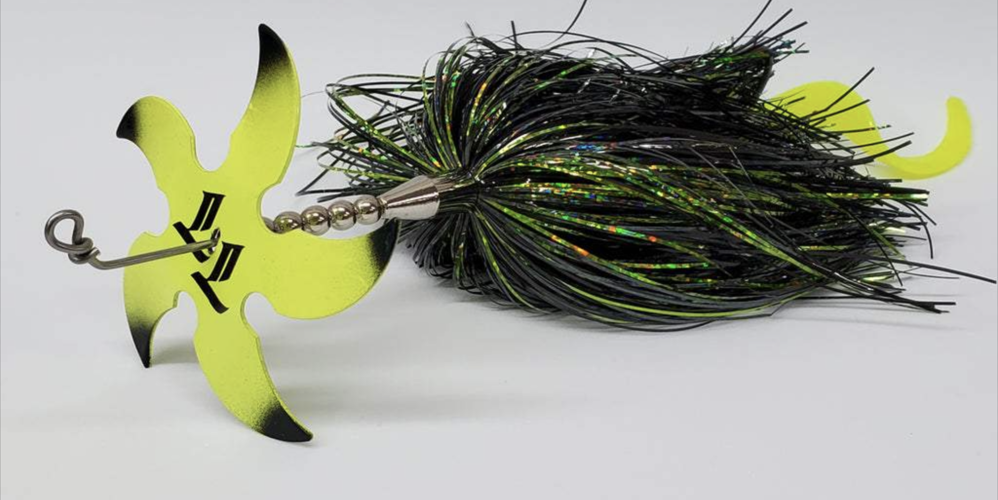
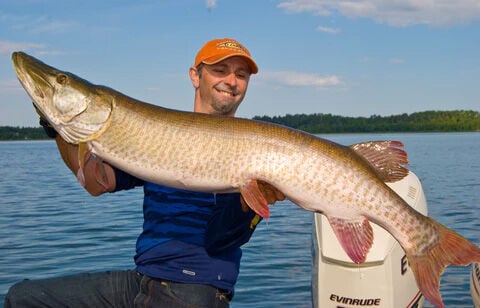
Lee Lures Custom Baits, of Cottage Grove, Wis., is owned by longtime muskie guide Lee Tauchen.
Courtesy Lee Lures Custom Baits
By the 20th century, Wisconsin had become a popular destination for sport anglers from all over the world.
Anglers began seeking not just any lures, but lures that would help them catch a prize fish, that honored in their de- sign Wisconsin’s fishing culture and that, if they were coming from out of state, could be brought home as a memento.
Fish Tales Bait, Tackle, & Coffee
“I’ve been fishing for as long as I can remember. My grandpa threw me in the boat and took me along,� said Cory Van Vonderen, owner of Fish Tales Bait, Tackle, & Coffee in Oshkosh, Wis., whose passion for painting things started as teenager, painting cars, and “graduated into painting lures.� Now, he said, crafting lures is “a way of life.�
He said the time spent with his grandmother taught him “every lake is a little bit different.�
Every species of fish is also “a little different in what they like� in a lure, Van Vonderen said, noting that he crafts “every single lure by hand,� often based on customer request.
“A lot of the stuff I do are things... they think (will) work,� he said.
And they’re beautiful.
“You’ve got something unique,� Van Vonderen said. “The factory just sprays on their cheap paint and puts out 1,000 a day.�
Klettke Custom Lures
“Fishing hasn’t changed so much in the last century. Lures have,� said Nicholas Klettke, owner of Klettke Custom Lures in Jefferson, Wis.
Nicholas Klettke, owner of Klettke Custom Lures in Jefferson, Wis., tests out a lure on nearby Lake Ripley.
Courtesy Nicholas Klettke
The process of handmaking a fishing lure begins with selecting the materials, that could be wood, plastic or other components, and continues with hours of carving and painting. The vibrant, lifelike patterns mimic the scales and movement of real fish.
In some cases, visitors can tour lure-making shops and watch them be built.
Crafters design their lures with purpose, reflecting Wisconsin’s deep respect for its natural resources and the relationships these small, family-owned businesses have built with customers, in some cases over generations.
C.C. Roberts Baits
C.C. Roberts Baits, of Mosinee, Wis., one of the oldest commercial manufactures of lures, is still in operation today.
“Roberts made 2 baits, the very popular Mudpuppy and the smaller Pupette,� the company’s website shares. “The Mudpuppys came in 7-inch and 5 1�2-inch and early versions were a natural splatter color that varied from gray to brownish tones.�
“Early versions were hand carved and had painted eyes and later baits sported glass eyes,� the website continues. “Current versions have decals for eyes and come in a variety of colors.�
Klettke, who credits his grandmother for instilling in him a love of fishing, said he founded Klettke Custom Lures after seeing how much stores charged for lures.
“As the poles and fish got bigger so did the lures,� he said. “We realized we could make a high-quality lure at an affordable price, so anyone can catch a trophy without breaking the bank.�
Klettke said every lure it crafts is hand-made of American materials, “to ensure they meet the high standards we set for quality and function.�
“To know how to make it (a lure) and to make it right, now that’s a different story,� Klettke said. The process, he said, requires “experience, testing, research.�
Lee Lures Custom Baits
Lee Tauchen, owner of Lee Lures Custom Baits, in Cottage Grove, Wis., said he crafted his first lure in the winter of 1998.
A hand-crafted lure from Lee Lures Custom Baits, in Cottage Grove, Wis.
Courtesy Lee Lures Custom Baits
“I finally decided to offer it to the public in 2004,� said Tauchen. “Since then, they have earned a place in tackle boxes of the best anglers in North America.�
“You have my personal guarantee that all Lee Lures will outperform and outlast any other wooden muskie lures available. There’s no reason why dozens or more fish can’t be caught on one bait,� Tauchen said.
Doc’s Custom Crank Baits
Doc’s Custom Crank Baits, in Sheboygan, Wis., started producing lures in 2014.
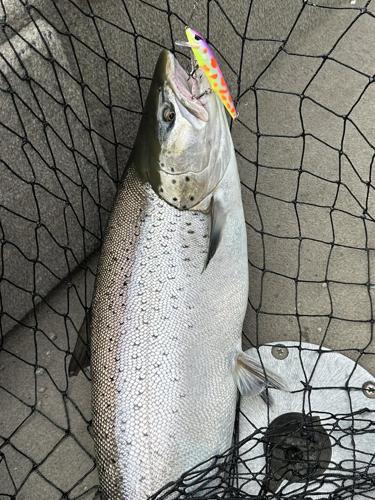
A custom painted F11 from Doc’s Custom Crank Baits, in Sheboygan, Wis, got a fish.
Courtesy A&K Bait & Tackle
“We were looking for an advantage in walleye fishing tournaments within our local club,� said owner Nick Ackley. “Soon our lures started to get noticed, (by) people who wanted the same edge of customized bait in competition and in recreational fishing.�
“Now, we have so many more patterns and lure types,� he said, ranging from “Pennywise� to “Electric Monkey Puke,� to Crankbaits, Crawler Harness Blades, Dodgers, Flashers, Spoons and even one that came out of experimenting with painting a reel.
The custom experience can include discussing lures over texts, sharing images of what the lure looks in process, and allowing for changes.
Lure makers say spring and summer in Wisconsin is the perfect time to catch prized fish including walleye, bass, muskie, and northern pike, with handcrafted lures that are designed specifically for local conditions.
Many tourists come to Wisconsin to attend summer fishing festivals that include shows where lures are sold alongside other handmade products. Buyers can engage directly with the crafters and learn about the materials and techniques used.
Summer in Wisconsin is also high season for fishing tournaments which draw anglers from across the county and showcase locally made equipment, such as handcrafted lures, which can make all the difference in catching a prize fish.
Visitors, while in the state, can hire local guides to show them the best fishing spots and to teach them the nuances of using handcrafted lures.
And before they head home, many visitors seek out handcrafted lures to commemorate their trip. The growing interest has led to the opening of more specialty stores and pop-up shops that sell local lures, local art, and other fishing accessories.
Klettke suggests fishing for bass in the spring, and blue gills in the early summer or late spring. Fall is a great time for muskie, late winter for crappie and summer for catfish and bullheads.
Klettke said by late summer, he’s done plenty of fishing himself and starts to settle back to work.