

JANESVILLE
If you鈥檙e one of the 580 residents who the city of 糖心Vlog传媒 has mailed a notice that you need to remove and replace iron pipes at your home, don鈥檛 toss the notice in the garbage and forget all about it.
That鈥檚 not an option.
The city of 糖心Vlog传媒鈥檚 water superintendent, Dave Botts, said that notices the city has sent to residents who have older homes with iron water pipes in the ground from their street-side terrace to their home that are 鈥渄ownstream鈥� from former lead pipes the city already has replaced.
Those residents are now required to remove and replace the old pipes in their yard with plastic or copper water service lines.
The city considers the pipes in question to be iron water laterals that are buried beneath residents' yards. Those pipes supply water from city-maintained mains to residents' homes. They typically span an area from a resident's terrace at the street to the home's water meter.
Water pipes inside residents' homes are not included in the city's recommended mandate.
The changes are tied to the Environmental Protection Agency鈥檚 new guidance on clean water. The agency considers iron pipes to have the same 鈥渃haracteristics鈥� of lead pipes, which means the EPA believes iron pipes are capable of holding lead that leached off of old lead water pipes. Iron pipes can then release lead into water that people use in their homes to drink and bathe.
The agency recommends that iron pipes that are part of residents鈥� homes be removed if those pipes were ever linked into lead water mains or lateral pipes that the city had once used to distribute water service to residents.
Elevated lead levels in drinking water can cause health and cognitive problems in people, especially young children and pregnant women and their unborn children.
The program is part of an ongoing effort by the city since 2017 to remove lead from the water system.
On Monday, the city council is holding a public hearing on an ordinance change requiring residents to hire a plumber to remove and replace their home鈥檚 iron pipes.
Botts said city records show about 850 homes in 糖心Vlog传媒 have iron pipes. This year, the city informed 580 of those residents they have until the end of the year to have the pipes removed or replaced.
What鈥檚 that going to cost, though?
Botts said for the most part, it鈥檒l cost residents nothing. Under a $3.2 million state Department of Natural Resources grant program, the city has up to $6,000 in funding per household to pay for iron pipe removal this year.
That is normally is enough to fully cover the replacement of residential water pipes鈥攁s long as the infrastructure isn鈥檛 buried under cement, large tree roots or other hard-to-remove ground cover, Botts said.
Botts said the city of 糖心Vlog传媒鈥檚 most recent lead testing of the water system shows lead levels in the water within 鈥渁cceptable鈥� levels, but he said the city wants to follow EPA guidance to ensure residents are protected and have clean water.
Botts said the 580 notified residents should already have gotten a notice in the mail that they must hire a plumber and get the pipe replacement work booked before the end of this year. That鈥檚 because the city is only eligible through Dec. 31 to receive DNR grant funding that offsets residents鈥� costs.
If the council approves changes to the city鈥檚 ordinance on water service, any resident with iron pipes will be required eventually to remove and replace their home鈥檚 water service. Those who fail to do so before the end of the year could have their water service cut off, Botts said.
鈥淚t鈥檚 hard to understand why someone wouldn鈥檛 respond and get their water service replaced for free,鈥� Botts said. 鈥淏ut some people choose not to respond. The letter goes in the garbage. And if that鈥檚 the case, the city has the option of basically turning the water off until they do respond.鈥�
In 糖心Vlog传媒, most houses with iron water pipes were built between 1900 and the 1950s, Botts said. He added the city has a detailed inventory of which houses have iron pipes based on work the city has already done to remove and replace lead-based city water pipes.
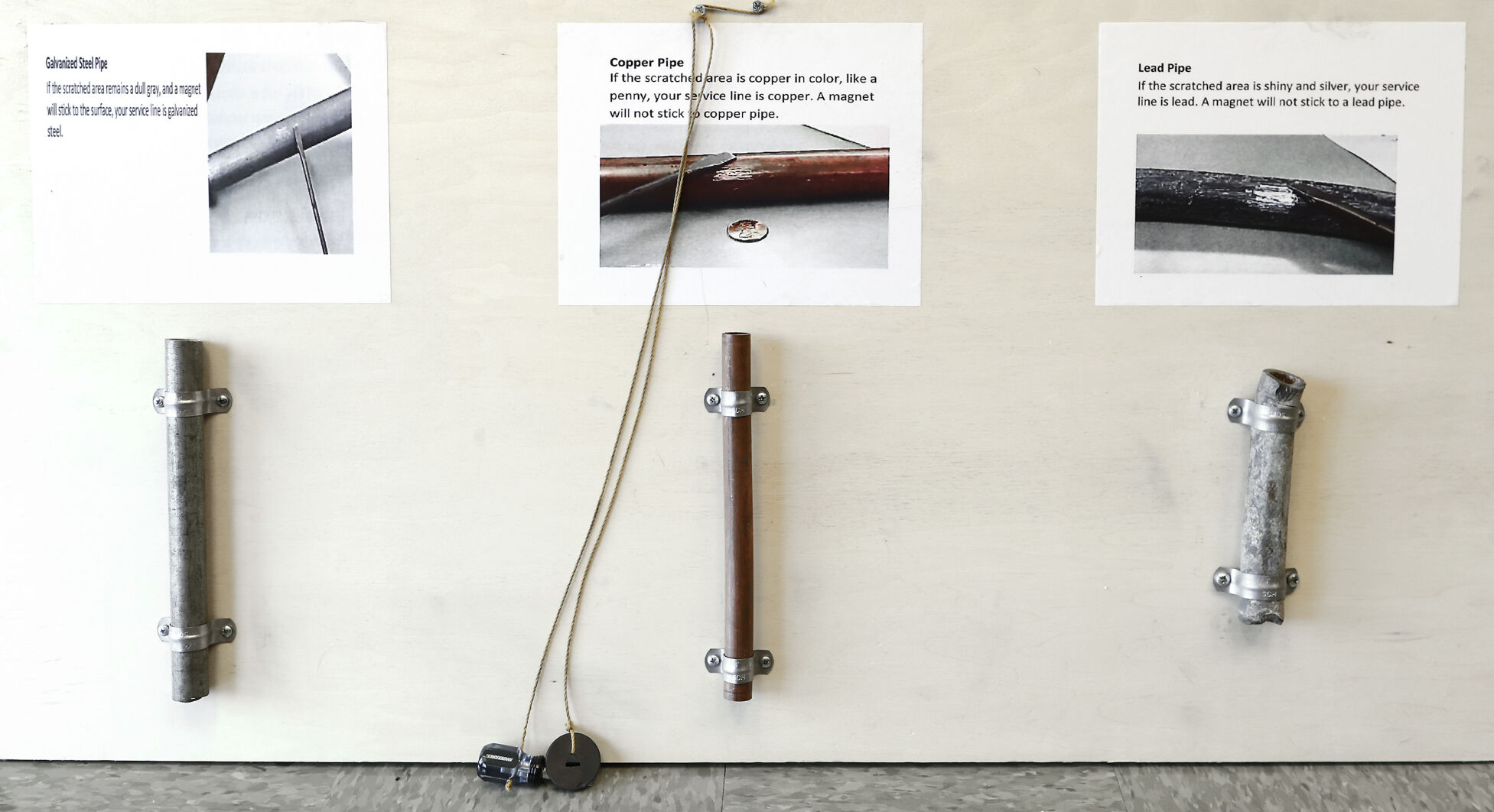
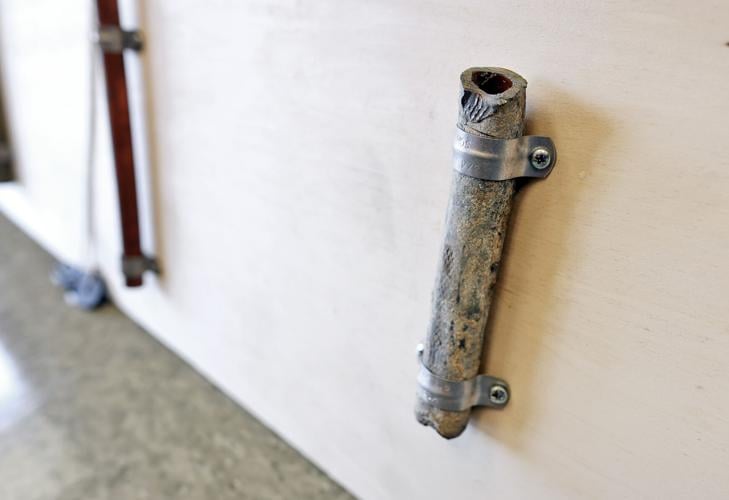
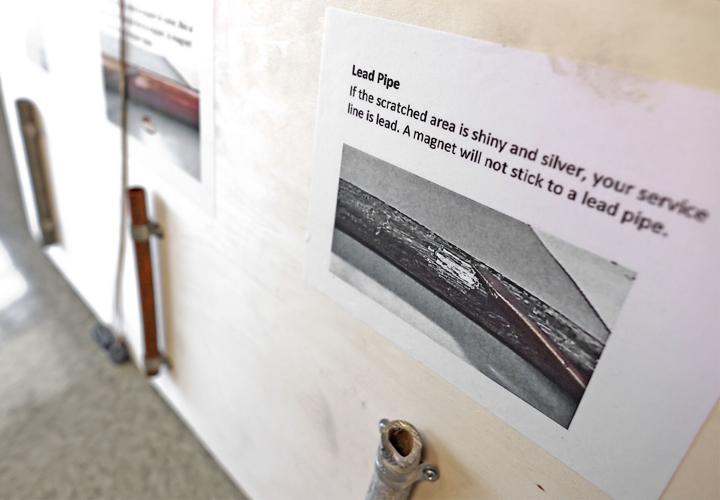
People can determine if they have iron water pipes in their house by testing the water pipes in the basement with a magnet. If the magnet sticks to the water pipes, it means the pipes are made of iron.